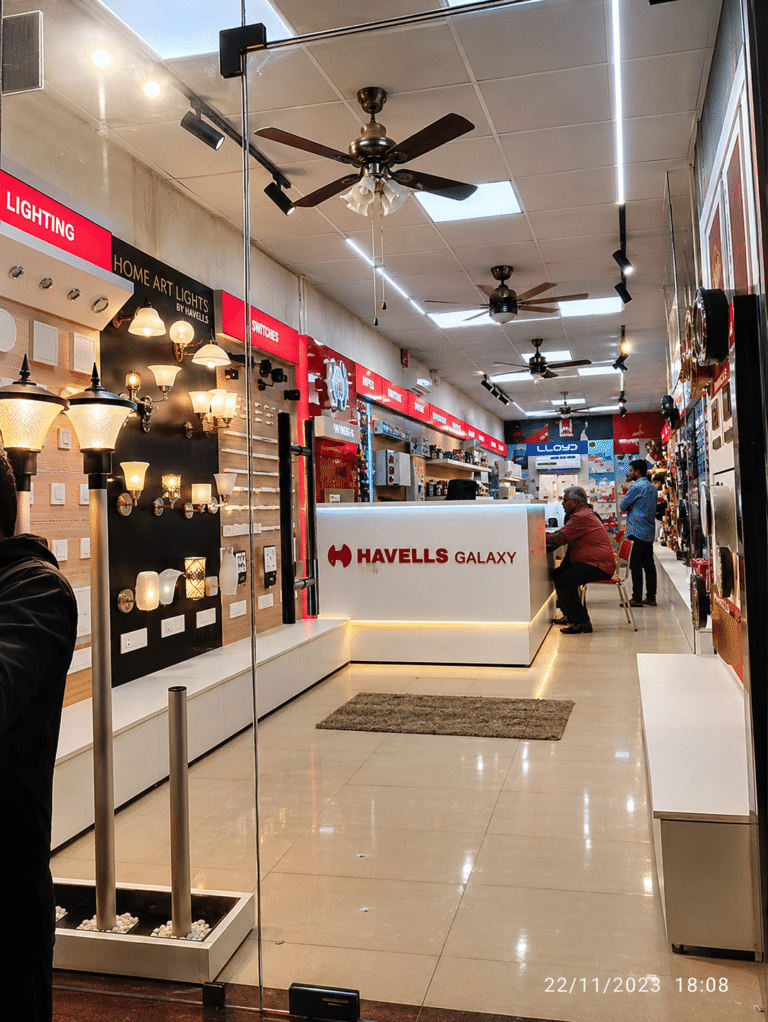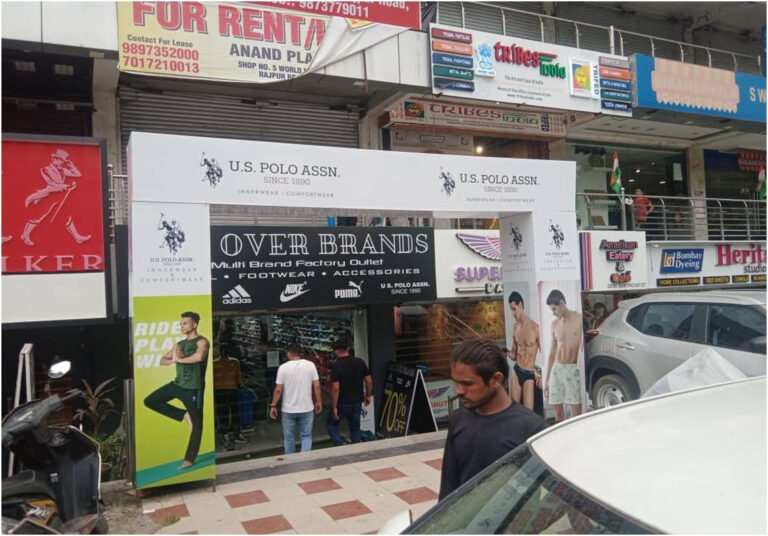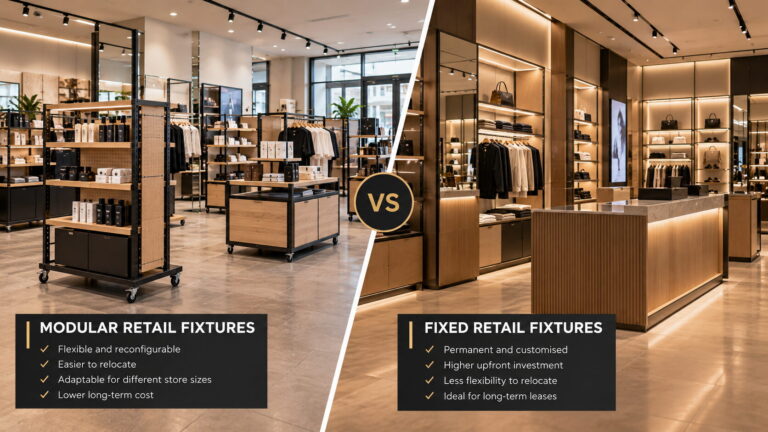
Civil, Electrical and Interior Works: What Does a Retail Fit-Out Include?
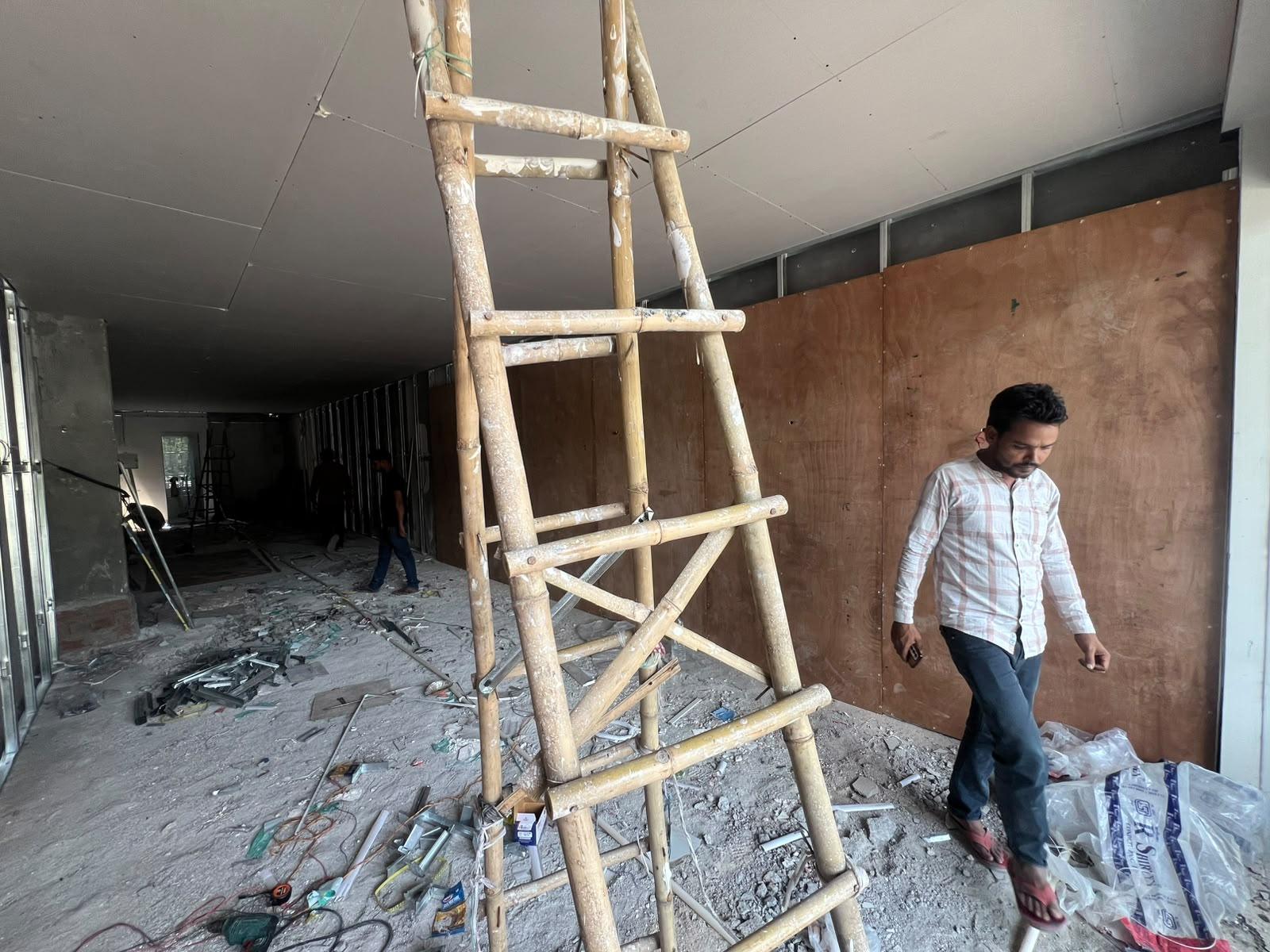
Ask a retailer what a fit-out includes and the answer depends on who is speaking. A landlord means the shell. A contractor means civil and electrical. A brand means the finished store, fixtures, signage and all. This is why two quotes for ‘the fit-out’ can differ by far more than a margin.
This guide breaks a retail fit-out into its trades, explains what each covers, who usually pays for what, and how to write a scope that avoids gaps. For costs, see our guide to showroom setup cost in India.
Start with the shell
What you inherit decides what you build. A guide to shell types describes a cold or dark shell as nothing beyond the building envelope, and a vanilla or warm shell as having basic finishes, lighting and HVAC already in place. Terminology differs in India, so ask the landlord for a written handover specification that lists what is delivered.
What a retail fit-out includes, trade by trade
| Trade | Typical works | Notes |
|---|---|---|
| Civil | Partitions, flooring, false ceiling, wall finishes and painting, doors and glazing, trial rooms, toilets and plumbing, waterproofing | Civil and interior works may account for roughly 20 to 30 percent of the fit-out budget |
| Electrical | Distribution boards, wiring, power points, lighting circuits, emergency lighting, earthing, data cabling | Load planning must include lit signage, screens and illuminated fixtures |
| HVAC and fire | Air-conditioning changes, ventilation, detectors and sprinkler adjustments | Often tied to the landlord’s systems and the mall’s rules |
| Interior and joinery | Counters, wall panels, display fixtures, storage, trial room fit-out, cash wrap | Fixtures are often among the largest heads. See custom retail fixtures |
| Branding and signage | Fascia, interior brand wall, window graphics, wayfinding, printed finishes | Needs municipal and landlord approval |
| Technology and security | CCTV, POS points, security tags, screens, music, network | Often bought separately from the main contractor |
| Handover | Snagging, cleaning, as-built drawings, manuals, warranties | Tie payment to completion |
A turnkey model, as one fit-out firm describes it, covers civil, MEP, joinery, finishes and branding under one scope. Whether a given vendor’s turnkey includes every trade above is something to confirm in writing.
Who does what: landlord, brand and contractor
| Item | Usually landlord | Usually tenant brand or contractor |
|---|---|---|
| Structure, facade, base services | Yes | Connects to them |
| Building fire system and certificates | Building owner’s responsibility | Fit-out must not compromise them. Fixtures follow the mall’s fire criteria |
| Flooring, ceiling, partitions | Depends on shell condition | Usually the tenant in cold or vanilla shells |
| Electrical inside the unit | Supplies to a point | Tenant distribution and lighting |
| Fixtures, signage, graphics | Approves | Tenant |
The order of work matters
Trades depend on each other, which is why coordination is the real work. A typical sequence is survey and drawings, civil and partitions, electrical and services first fix, ceiling, finishes, fixtures and signage, then testing and snagging. Our turnkey fit-out process page walks through the stages.
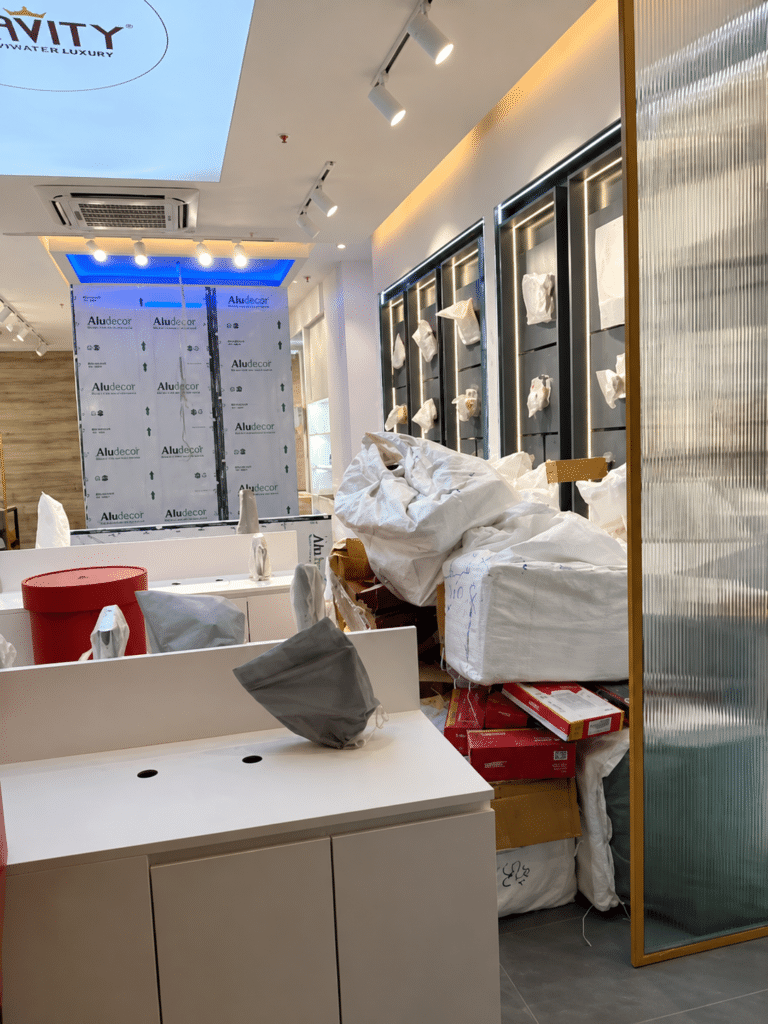
Where gaps appear
-
Electrical load for lit signage and screens was not in the electrical drawings.
-
Ceiling height or services clash with a tall sign or fixture.
-
Fixtures are drawn without power points where they are needed.
-
Fire rules were checked at the end instead of at design.
-
Technology and security are priced by nobody.
-
Handover documents are missed.
Each gap comes from trades planned separately. A single scope, one set of drawings and one schedule remove most of them.
How to write the scope
-
Attach drawings and a BOQ template with a line for each trade above.
-
State shell condition and landlord deliverables.
-
Mark each line as included, excluded or by others.
-
Name who applies for approvals and who pays fees.
-
Set milestones and a snag list process.
-
Ask for as-built drawings and warranties at handover.
Frequently asked questions
What does a retail fit-out include?
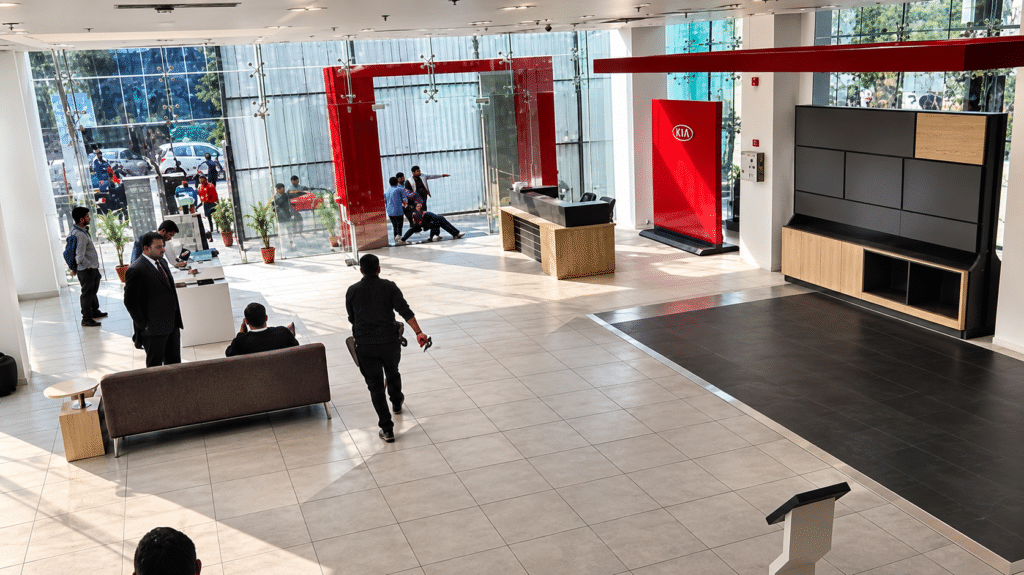
Civil works, electrical and lighting, HVAC and fire adjustments, interior joinery and fixtures, branding and signage, technology and security, and handover. The exact list depends on the shell and the contract.
What is the difference between civil and interior works?
Civil covers structure-related finishes such as partitions, flooring, ceilings and plumbing. Interior covers joinery, fixtures, wall panels and furniture.
Does a turnkey fit-out include electrical work?
A turnkey scope normally includes civil, electrical, interior and branding, but confirm each line in the BOQ.
Who pays for fire safety in a retail fit-out?
The building owner is responsible for the building system, while the tenant’s fit-out must comply with the mall’s criteria.
How do I avoid gaps between trades?
Use one scope, one drawing set and one accountable partner, and review electrical load, fixtures and ceiling services together.
Beyond Retail delivers turnkey showrooms with civil and electrical works, interior execution, fixtures, signage and printing under one project team, and its company profile shows showrooms for brands such as Bosch, KENT, Ultraviolette and HP. See turnkey showroom and fixture execution and custom retail fixtures. Share your layout and we will return a scope and BOQ that shows every trade.