How to Open a New Retail Showroom in India: A Complete Guide, From Format to Opening Day
Opening a showroom looks like one project and is really ten, run partly in parallel: format, location, lease, licences, design, vendors, fit-out, fixtures and signage, people and stock, and launch. Miss one and the opening date moves. This guide walks through them in order and points to deeper guides where we already cover a topic, so it does not repeat them.
The ten phases at a glance
| Phase | What happens | Main owner | Deeper guide |
|---|---|---|---|
| 1. Format and brief | Decide format, size, category range, brand rules | Brand | Store formats |
| 2. Location and lease | Select site, negotiate rent, fit-out period, landlord scope | Brand and landlord | Below |
| 3. Licences and registrations | Business registrations and local permissions | Brand | Below |
| 4. Design and drawings | Layout, 3D, fixture schedule, lighting | Designer and vendor | Below |
| 5. Budget and vendors | BOQ, quotes, award | Procurement | Setup cost |
| 6. Approvals | Landlord, mall design manual, local rules | Brand and vendor | Below |
| 7. Fit-out | Civil, electrical, interior, services | Contractor | Fit-out process |
| 8. Fixtures and signage | Manufacture, delivery, install | Vendor | Below |
| 9. People, systems and stock | Hiring, training, POS, stock, merchandising | Brand | Below |
| 10. Handover and launch | Inspection, soft launch, opening | All | Below |
Phase 1: Decide the format and write the brief
Decide whether this is an exclusive store, a shop-in-shop or a multi-brand counter, since fixtures, size and approvals differ, as in our guide to choosing a store format. Write a brief with area, category mix, brand guidelines, target opening date and budget band.
Phase 2: Choose the location and read the lease
Beyond rent and footfall, read what the landlord delivers and what the tenant must build. Check the fit-out period and when rent starts, because a short window makes the schedule hard. Ask for the mall’s tenant design manual early, since it governs signage, fixtures, materials, working hours and fire compliance. Confirm the shell condition in writing.
Phase 3: Licences and registrations
Guides to starting a retail business in India commonly list GST registration, shops and establishment registration, a local trade licence, fire safety clearance where applicable and signage permission, with FSSAI for food. Requirements vary by state, city and category, so confirm the list with a chartered accountant or the local authority. Start early, because some take weeks.
Phase 4: Design and drawings
Turn the brief into a layout, 3D views and a fixture schedule. Good design settles fixture sizes, electrical points, lighting, signage and ceiling services together. Seeing a 3D view before production avoids expensive changes. Our 3D design service covers this stage.
Phase 5: Budget, BOQ and vendors
Convert drawings into a BOQ, invite quotes on the same scope and award against a comparison, not a total. Our guide to showroom setup cost covers budgets, and the question of one partner or several is worth settling now.
Phase 6: Approvals
Submit drawings to the landlord or mall, and check local rules for signage. Fire and structural comments can send drawings back, so apply in parallel with vendor selection.
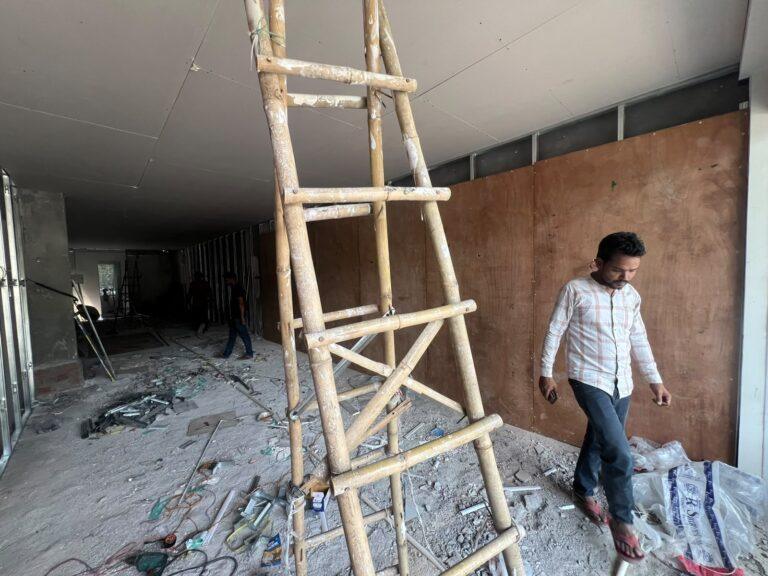
Phase 7: Fit-out
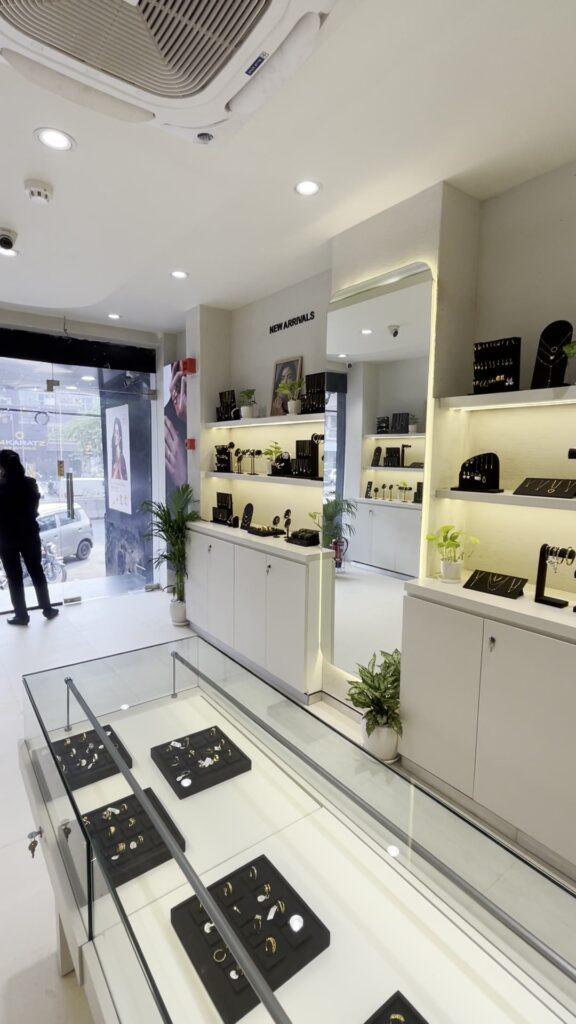
Civil, electrical, ceilings and finishes come first, then fixtures, signage and testing. Our turnkey fit-out process describes the stages.
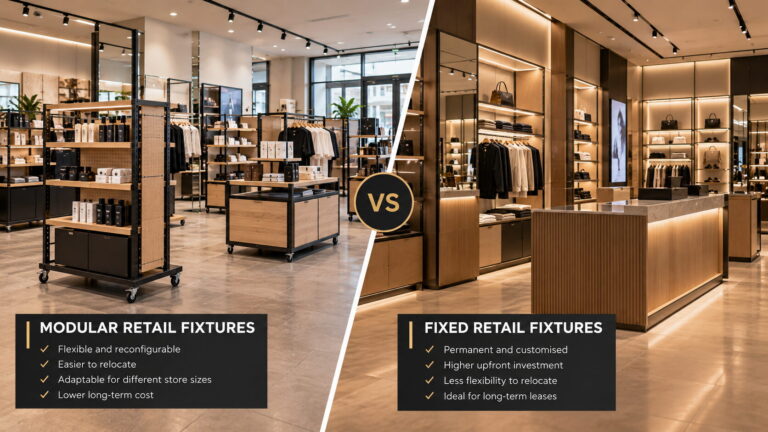
Phase 8: Fixtures, signage and graphics
Long-lead items should be ordered as soon as drawings are frozen: custom fixtures, lit elements, glass, signage and printed graphics. Label deliveries, plan installation order and keep finish samples for checking. Beyond Retail builds fixtures, signage and printed graphics in one facility, which shortens this loop.
Phase 9: People, systems and stock
Hire and train staff before the opening, set up POS, billing, CCTV, network and security, and plan stock arrival so shelves are not filled while trades are still working. Merchandise to a planogram or guideline.
Phase 10: Handover, soft launch and opening
Inspect, close snags and collect drawings, manuals and warranties. A soft launch with limited hours finds problems before the public does. Plan opening marketing so it lands when the store is truly ready.
After opening
Fixtures wear and signage needs checks. Plan maintenance, spares and an owner for faults, as covered in our guide to fixture maintenance. If this is the first of many stores, treat it as the pilot for your rollout plan.
A master checklist
-
Format, size, brief and target date.
-
Lease read: shell, fit-out period, rent start, design manual.
-
Registrations and local permissions started.
-
Drawings, 3D and fixture schedule frozen.
-
BOQ compared and vendors awarded.
-
Approvals submitted.
-
Long-lead items ordered.
-
Fit-out schedule with milestones.
-
Staff trained and systems tested.
-
Snag list closed and handover documents received.
-
Soft launch done and opening plan set.
Frequently asked questions
How long does it take to open a retail showroom in India?
It depends on the format and site. One Indian guide puts a standard mall store at 8 to 14 weeks from design to handover, not counting lease negotiation or licences.
What licences do I need to open a retail showroom?
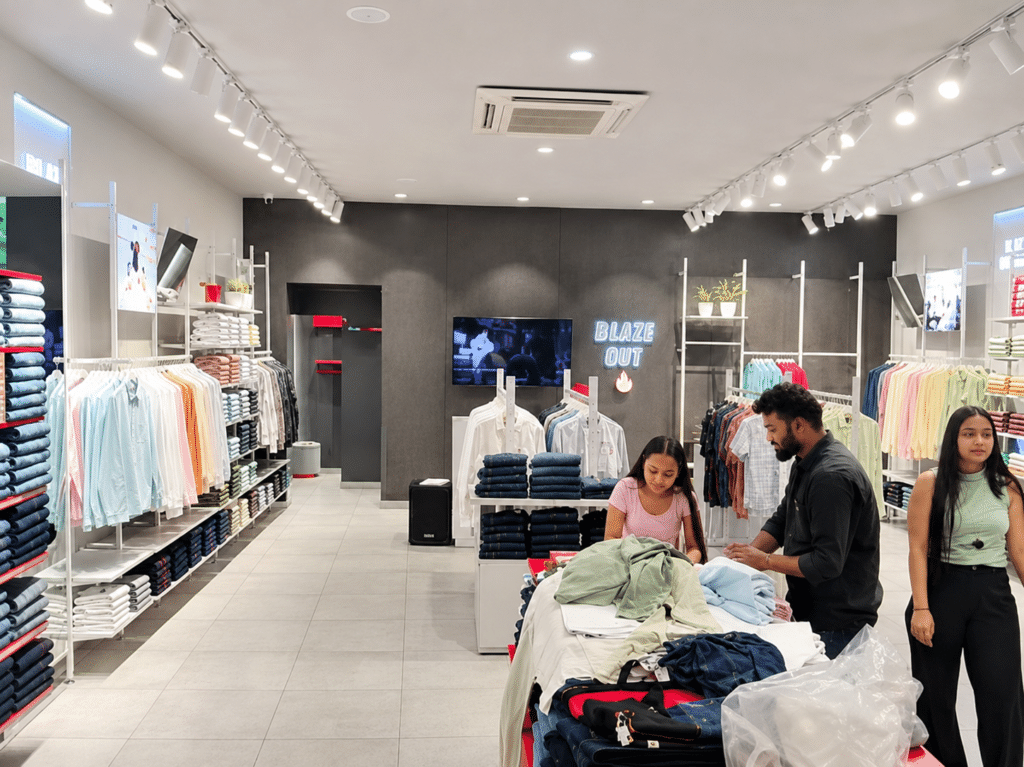
Commonly GST registration, shops and establishment registration, a local trade licence, fire safety clearance where applicable and signage permission, with FSSAI for food. Requirements vary, so confirm locally.
What should I do first when opening a showroom?
Decide the format and write a brief, then secure a site and read the lease for shell condition, fit-out period and the landlord’s design rules.
Who should design a retail showroom?
A designer or a fabrication partner with 3D design, working from the brand’s guidelines and the site drawings.
Can one company handle fit-out, fixtures and signage?
Yes. A turnkey partner can cover civil, electrical, interior, fixtures, signage and printing under one scope.
Beyond Retail’s company profile shows showrooms for brands such as HP, ASUS, Bosch, Cera, KENT and Libas, delivered from design to installation. See turnkey showroom and fixture execution. Share your showroom plan with city, size and opening date, and we will map the phases that fall to us. Beyond Retail: Your complete retail execution partner.