A single shop board is a purchase. A programme to brand four hundred dealer shops across thirty towns is a project, and most of the trouble comes from treating it like the first thing. Boards are measured from a photograph, approvals are assumed, production runs ahead of surveys, and three months later the brand cannot say how many boards are actually up, or whether they match the approved design.
This guide is for the people who commission such programmes: marketing, trade marketing and sales heads at paint, cement, tile, electrical, durables and consumer brands, and chains that brand franchise outlets. It covers what a programme includes, how to specify it, where cost comes from and how to verify that the work was done.
What in-shop branding actually includes
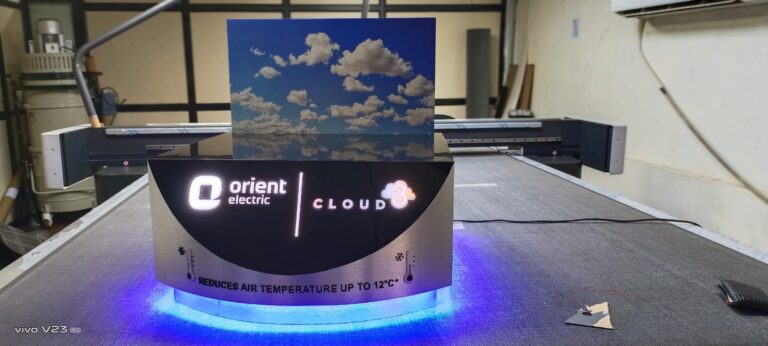
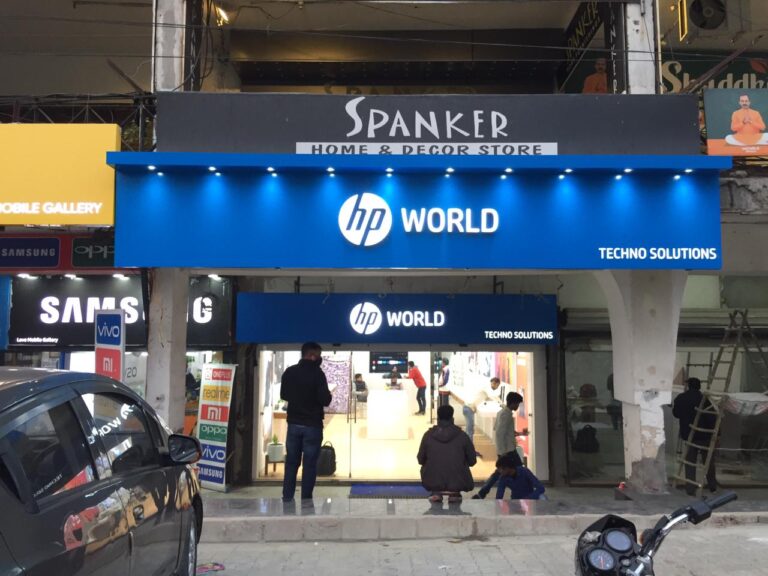
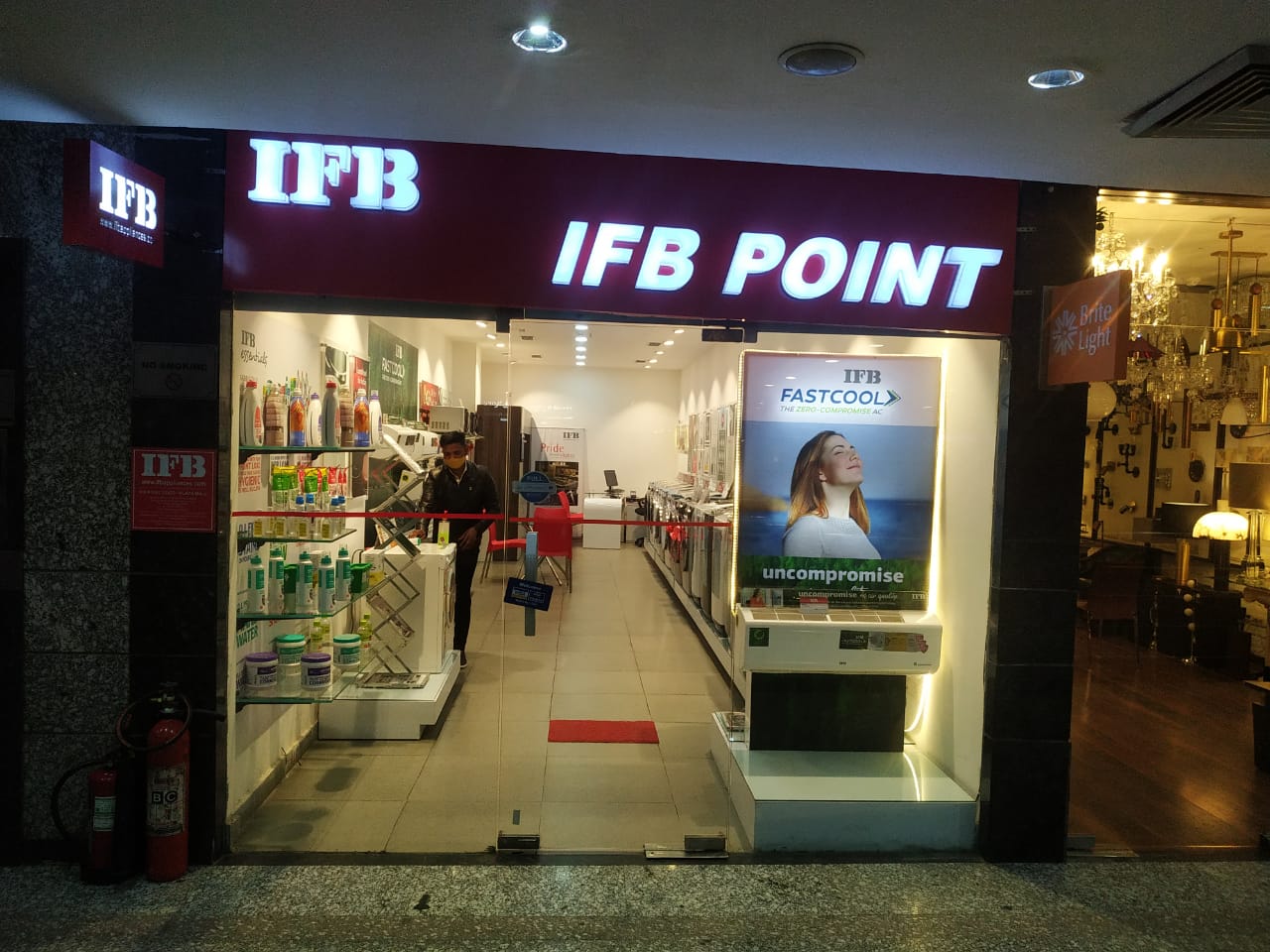
The phrase covers more than the board over the door. One pan-India provider describes it as all visual branding elements inside and on the exterior of a retail store, including glass branding, wall branding, facade branding, ACP signage, glow sign boards, acrylic flanges, lit fabric boxes and vinyl applications. Dealer programmes for paint, cement, tiles and durables tend to add shade cards, display units and counter graphics on top of the board.
| Element | Where it sits | Notes for specification |
|---|---|---|
| Shop or dealer board | Exterior fascia | Non-lit ACP, flex on a frame, or a lit glow sign box. Size is limited by the shop frontage and local rules |
| Glass and window branding | Entrance and windows | Vinyl or one-way vision film. Check what already covers the glass |
| Wall and facade branding | Inside walls, outer wall | Needs surface condition checks and landlord consent |
| Counter graphics and acrylic flanges | Billing and product counters | Small items, easy to damage in transit, usually ordered in bulk |
| Lit fabric boxes | Interior or entrance | Need power access and a safe installation point |
| Display units and shade cards | Shop floor | Count as POSM, with their own lead time and installation |
Two kinds of programme, and why the difference matters
A chain or franchise network controls its stores. The brand can issue one fixed design, impose a standard and inspect. A dealer network is different. The shops belong to independent owners, frontages vary wildly, and the owner’s cooperation is part of the project. A dealer-branding provider describes the commercial side plainly: on a programme of thousands of shops, the brand pays per installed board and needs proof. That sentence should shape the contract in both cases. You are buying installed, verified boards, not printed ones.
Build the programme in six steps
1. Start with a shop list and a survey, not a design
Every shop needs a measured frontage, a photograph and a note on obstructions such as an existing board, a shutter box, trees, cables or a signboard shared with a neighbour. Dealer programmes in particular are measured shop by shop. Designing from a photograph is the single most common reason a board does not fit.
2. Define a board family, not one board
Choose three to five standard sizes and two or three board types (for instance non-lit, lit and a compact version), and map each shop to one of them. A pre-approved smaller version in the family means a size limit in one town does not become a field decision. The custom signage guide and our comparison of illuminated signage options help with the choice.
3. Check approvals before production
Municipal advertisement rules, landlord consent and mall criteria differ by city. A board fabricated before approval can be a board that has to be redone. We cover this in a separate guide to signage approvals for multi-city rollouts.
4. Produce in batches against one specification
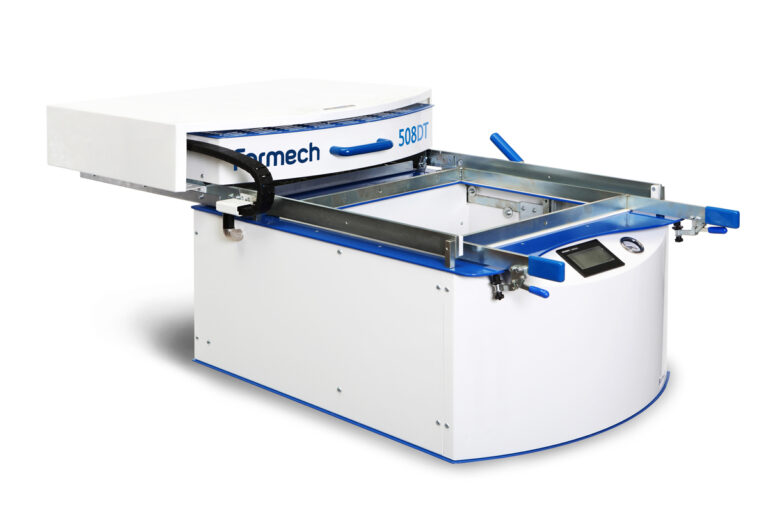
Freeze materials, colours and artwork before the first batch and keep an approved sample. Label every carton by shop ID and board type, so the installer is not unpacking the wrong size in the wrong town. In-house printing helps here because colour and material come from one controlled process.
5. Install with a proof standard
Specify the proof before work starts: a before photograph, an after photograph taken from a fixed position, the shop ID and the date, with the board visible in context. Make payment, or at least final payment, depend on accepted proof.
6. Plan for repair and replacement
Boards get damaged, shops change hands and lit boards fail. Decide who handles repairs, how a shop reports a fault and whether spares are held centrally. The same thinking appears in our piece on fixture maintenance and AMC.
Where the cost comes from
Board price depends mainly on size, material and lighting, then on access and travel. Published numbers are scarce and vary by city. As one data point, a Pune in-store branding vendor lists backlit glow sign boards at about ₹600 per square foot, with a smallest board of 4 by 3 feet, built as a printed flex face on a metal box frame with LED tubes. At that listed rate a 4 by 3 foot board comes to roughly ₹7,200, before installation, travel or any electrical work. It is one vendor’s listing, not a benchmark, and a pan-India programme will price differently.
- Board type and size: lit boxes cost more than non-lit boards of the same area.
- Installation access: a high fascia may need scaffolding or a lifting vehicle.
- Electrical connection for lit boards, usually by a local electrician.
- Travel and crew time between towns, which can outweigh the board cost for small towns.
- Approval fees and landlord charges where they apply.
- Rework from wrong measurements, which is avoidable with a survey.
What goes wrong most often
- Measurements taken from photographs, so boards arrive the wrong size.
- Production started before approvals, so boards are redone.
- No agreed proof, so “installed” cannot be verified.
- Mixed print runs and substitute materials, so the same brand looks different across towns.
- No plan for damaged or stolen boards, so a programme degrades within a year.
Questions to ask a vendor before awarding the work
- Who surveys each shop, and are those measurements used for production drawings?
- Which parts are made in your own facility, and which are subcontracted?
- How will you prove each installation, and what happens when a shop refuses access?
- How do you keep colour consistent across batches and towns?
- Who applies for local approvals, and who pays any fees?
- What is the repair and replacement process after handover?
Frequently asked questions
What is in-shop branding?
It is the set of branded elements on and inside a retail shop: the board or fascia, glass and wall branding, counter graphics, flanges and similar items. Providers list ACP boards, glow sign boards, acrylic signage, lit fabric boxes, glass, wall and facade branding as typical elements.
What is a dealer board programme?
A programme in which a brand brands the shops of its independent dealers, usually with a standard board, in-shop graphics and sometimes display units, installed across many towns. Brands typically pay per installed board and require proof of installation.
How much does a glow sign board cost in India?
Prices depend on size, materials and city. One Pune vendor lists about ₹600 per square foot for a backlit glow sign board with a minimum size of 4 by 3 feet. Treat that as a reference point and ask for quotes against your own shop list.
How do I verify that boards were installed?
Set a photo standard before work starts: a before and after photograph from a fixed position, with shop ID and date, and accept payment against approved proof.
Do shop boards need permission?
In most Indian cities a shop signboard needs municipal permission, and landlords or malls may add their own requirements. Size, illumination and fee rules differ by city, so check locally before fabrication.
Beyond Retail designs, fabricates and installs commercial signage, with large-format and UV printing done in-house at its Delhi NCR facility. Its signage services and digital printing pages list what it makes. If you are planning a multi-location branding programme, send the shop or store list by city, with board types and target dates, and we can tell you whether the programme fits our scope and how we would run it. Programmes at the scale of thousands of dealer shops should be discussed upfront so the right installation model is agreed.