12 Common Retail Project Failures and How to Avoid Them
Retail projects rarely fail in one dramatic way. They slip, drift and leak: a week here, a rework there, a surprise invoice at the end. Most of these failures repeat across brands, which means most can be anticipated. Here are twelve, each with the warning sign and the fix.
| Failure | Early warning | Fix |
|---|---|---|
| 1. Vague brief | Quotes arrive that cannot be compared | Send drawings, a fixture schedule and a BOQ template to every vendor |
| 2. Specification not frozen | Drawings change during production | Version-control drawings and freeze before production, with change control |
| 3. Site data wrong | Fixtures do not fit on arrival | Measure every site. Do not trust old drawings |
| 4. Approvals late | Signage or fixtures return from the landlord or mall | Apply in parallel with design and read the mall’s design manual first |
| 5. Fire and compliance missed | Rejection at inspection | Specify compliant materials in the brief |
| 6. Hidden subcontracting | Vendor cannot say who makes what | Ask which steps are in-house and visit the facility |
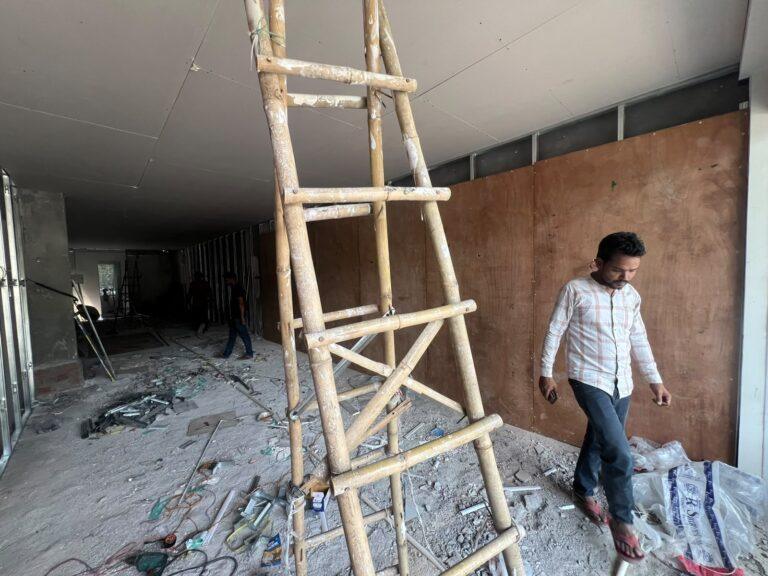
| 7. Scope gaps between trades | Electrical points missing near fixtures | One scope, one drawing set, one accountable party |
| 8. No pilot | Problems appear in store thirty | Build and test a pilot store first |
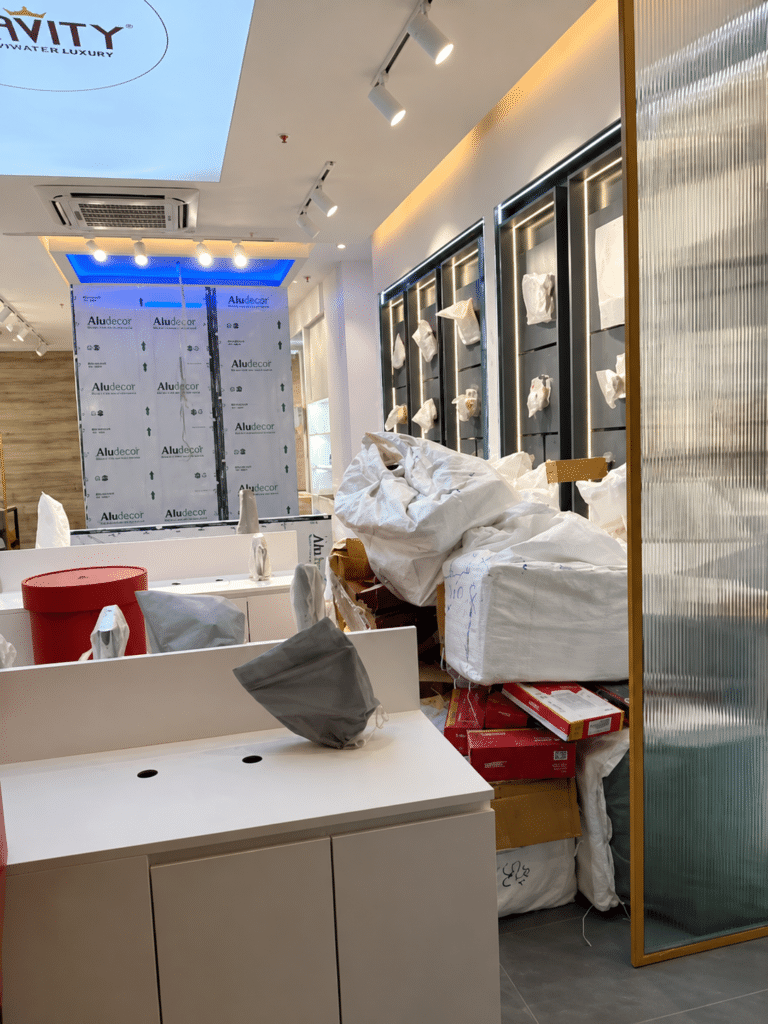
| 9. Damage in transit | Cartons arrive crushed or scratched | Pack by material, insure, inspect before signing |
| 10. Payment not tied to acceptance | Vendor reports done, snags remain | Milestones against proof and written acceptance |
| 11. No quality system | Stores look different | Golden sample, factory inspection and store audits |
| 12. No after-care plan | Repairs take weeks | Plan spares, repair routes and a named owner |
The evidence behind the list
A programme guide describes the usual symptoms of one-off buying: each contractor interprets the prototype drawings independently and there is no standard cost basis. A signage vendor notes that local restrictions are often discovered only after fabrication. A mall fit-out guide says fire compliance causes more rejections than anything else. On transit, a carrier’s liability in India is limited, which is why transit insurance is a separate cover.
Three failures that cost the most
- Rework after production: it multiplies material, labour and time.
- Late approvals: they push the opening date and the rent clock.
- Scope gaps: they turn into disputes and extras.
All three come from decisions made before production. Freeze the brief, the drawings and the approvals first. See our retail store rollout plan.
A pre-start checklist
- Brief, drawings and BOQ frozen and version-controlled.
- Every site measured, with photographs.
- Landlord, mall and municipal requirements checked.
- Fire and material compliance stated in the specification.
- Vendor’s in-house steps and facility confirmed.
- Pilot store scheduled.
- Packing, transit cover and delivery inspection agreed.
- Payment milestones tied to proof.
- Quality and after-care owners named.
How failures compound
Failures rarely arrive alone. A vague brief leads to quotes that cannot be compared, which leads to a vendor chosen on price, who subcontracts, so quality drifts, and late approvals leave no time to correct it. Fixing the brief early prevents several later failures.
Who owns each prevention
| Area | Owner on brand side | Owner on vendor side |
|---|---|---|
| Brief and BOQ | Procurement | Design lead |
| Approvals | Project head | Project manager |
| Site data | Store development | Site engineer |
| Quality system | Operations | QC head |
| Transit and installation | Project head | Logistics lead |
| After-care | Operations | Service lead |
Run a short post-mortem
- After each store, record what slipped and why.
- Group causes: brief, approvals, site, vendor, transit, installation.
- Fix the cause in the next store, not only the symptom.
Frequently asked questions
What are the most common retail fit-out mistakes?
A vague brief, an unfrozen specification, wrong site data, late approvals, missed compliance, hidden subcontracting, scope gaps, no pilot, transit damage and payment not tied to acceptance.
Why do retail projects get delayed?
Usually because of late approvals, design changes, long-lead items and rework, not because of the build itself.
How do I avoid signage problems in a rollout?
Check local rules and landlord requirements before fabrication and design a family of sizes.
How do I reduce transit damage?
Pack by material, insure the goods and require damage to be noted on delivery papers.
Is a pilot store worth it?
Yes. It reveals installation, packing and fit problems before they repeat across the programme.
Beyond Retail has delivered more than 1,500 retail showrooms per its company profile, and its single-facility process covers design, fabrication, printing and installation, which removes several of these failure points. See turnkey showroom and fixture execution. Share your project and we will tell you where we see the risks.