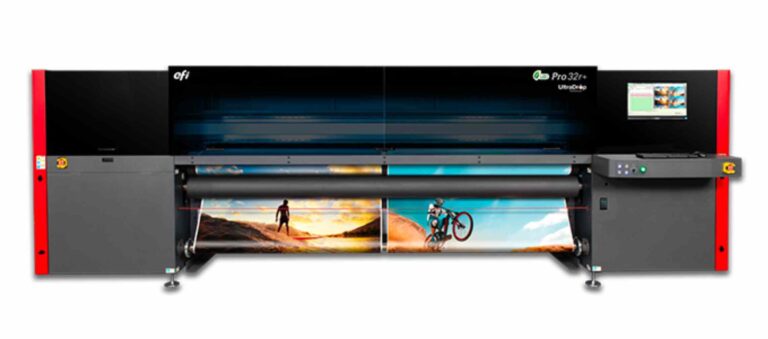
A new store needs a designer, a civil contractor, an electrician, a fixture maker, a signage maker, a printer, a transporter and an installer. Five to ten vendors, each competent, each with their own schedule and their own view of what the drawing says. Most of the delay and drift in a retail programme happens in the gaps between them.
This guide explains why many brands move to a single retail execution partner, what that should and should not mean, and how to test whether a partner can carry it. A note on terms: here ‘retail execution’ means the physical build of stores and assets, not shelf audits, which a different kind of provider handles.
What goes wrong with many vendors
A construction-programme guide lists the usual symptoms of one-off buying: each contractor interprets the prototype drawings independently and there is no standard cost basis. A regional vendor guide describes the hidden cost of managing dozens of localised vendors with different materials, finishes and timelines. An Indian fit-out firm makes a related point about turnkey work: contractors who stitch together civil, MEP and other trades from a vendor panel leave the client absorbing every coordination gap. These are vendor views, but the failure modes are familiar to anyone who has run a rollout.
-
Specification drift: the same drawing, different finishes.
-
Blame between trades when something does not fit.
-
Schedule slips because each vendor waits for the last.
-
Prices that cannot be compared because scopes differ.
-
Rework between fixtures, lighting and signage.
What a single partner should mean
It does not mean one company does everything in-house, and it does not mean you stop managing. It means one party is accountable for the outcome across design, manufacture, delivery and installation, with a single drawing set, schedule and quote. The more of the chain it makes itself, the fewer handoffs there are to manage.
The case for it
| Factor | Many vendors | Single partner |
|---|---|---|
| Accountability | Split across parties | One party answers for the result |
| Specification | Interpreted several times | One drawing set and finish library |
| Schedule | Several schedules to align | One programme and one critical path |
| Cost visibility | Different scopes, hard to compare | One quote structured trade by trade |
| Quality control | Varies by vendor | One process and one inspection standard |
| Change handling | Each change passes through several vendors | One change request, one priced answer |
| Repairs and spares | Which vendor holds the drawings? | One source for drawings, tooling and spares |
Where it does not fit
-
A single store where coordination is simple.
-
Specialist work that needs a specialist, such as complex engineering or imported equipment.
-
Brands that want to keep design in-house and only buy manufacture.
-
Concentration risk: depending on one partner needs a step-in plan and clear contract terms.
How to test whether a partner can carry it
| Ask | Good answer looks like |
|---|---|
| Which parts are made in your own facility? | A specific list: design, fabrication, printing, finishing, with the machinery to match |
| Can we visit the facility? | Yes, with live work in progress |
| Who is our single point of contact? | A named project lead with authority across the chain |
| How do you coordinate trades you do not make? | A written interface plan and shared drawings |
| What comparable programmes have you delivered? | References and photographs of similar scale |
| What if you miss a date? | A stated remedy in the contract |
Our guide to choosing a retail fixture manufacturer covers more checks. For the rollout schedule, see our retail store rollout plan.
Contract points that make it work
-
One scope and BOQ with each trade listed.
-
A master drawing set with version control.
-
Milestone payments against proof.
-
Change control with cost and schedule impact.
-
Ownership of drawings and files.
-
A step-in or transition clause.
Frequently asked questions
What is a retail execution partner?
In the physical sense, a company that designs, makes and installs the fixtures, signage, printing and showrooms for a brand’s stores, and answers for the result.
Is a single partner cheaper than many vendors?
Not always per item. Savings come from fewer handoffs, less rework, one schedule and comparable quotes. Compare total cost, not line prices.
Does a single partner mean no specialist vendors?
No. A partner can bring in specialists under its coordination, but one party stays accountable.
What is the risk of relying on one partner?
Concentration. Manage it with clear contract terms, held drawings and a transition plan.
Is retail execution the same as shelf audits?
No. Shelf audits and merchandising are a different service. Physical retail execution is the build of stores and assets.
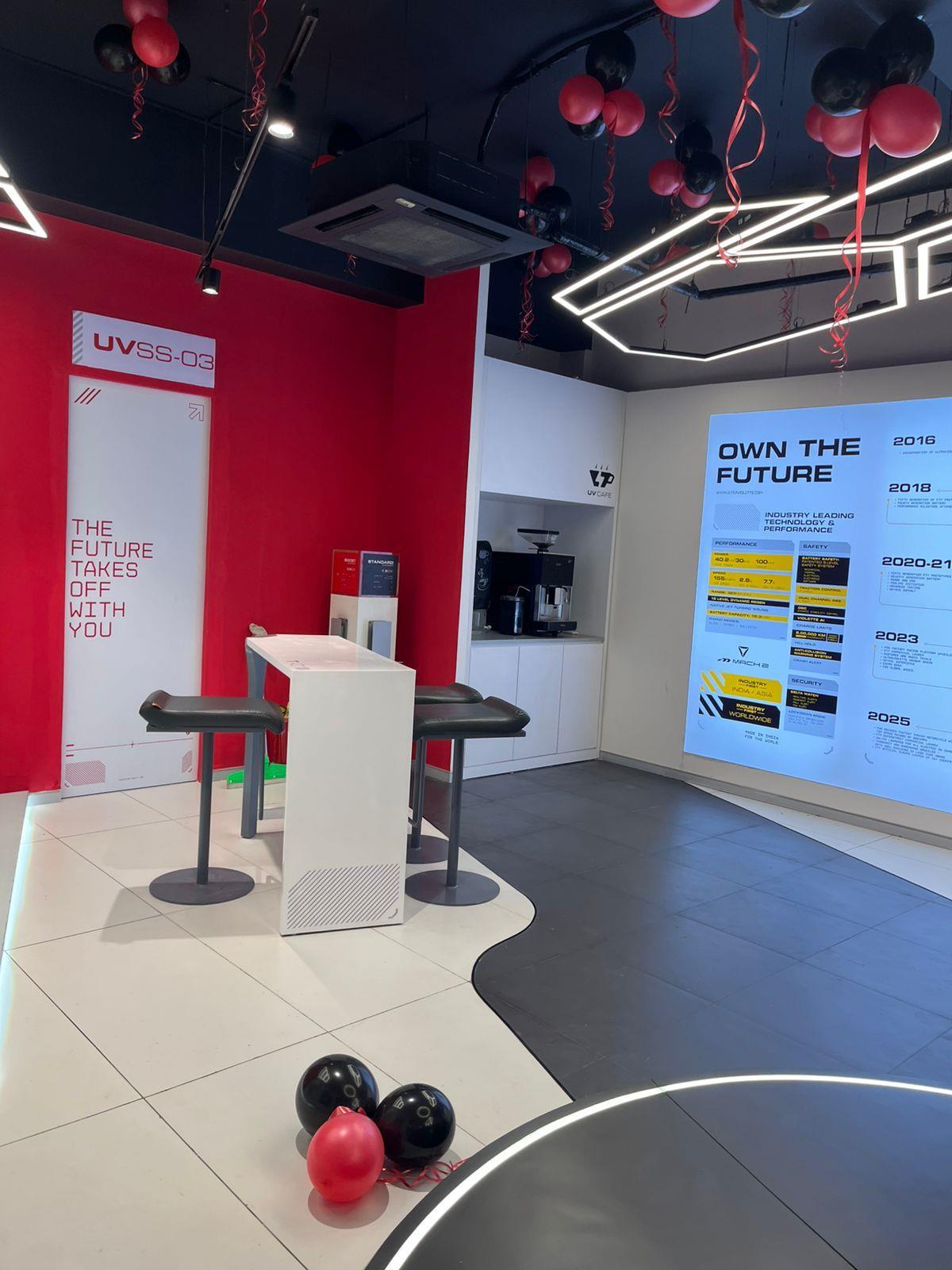
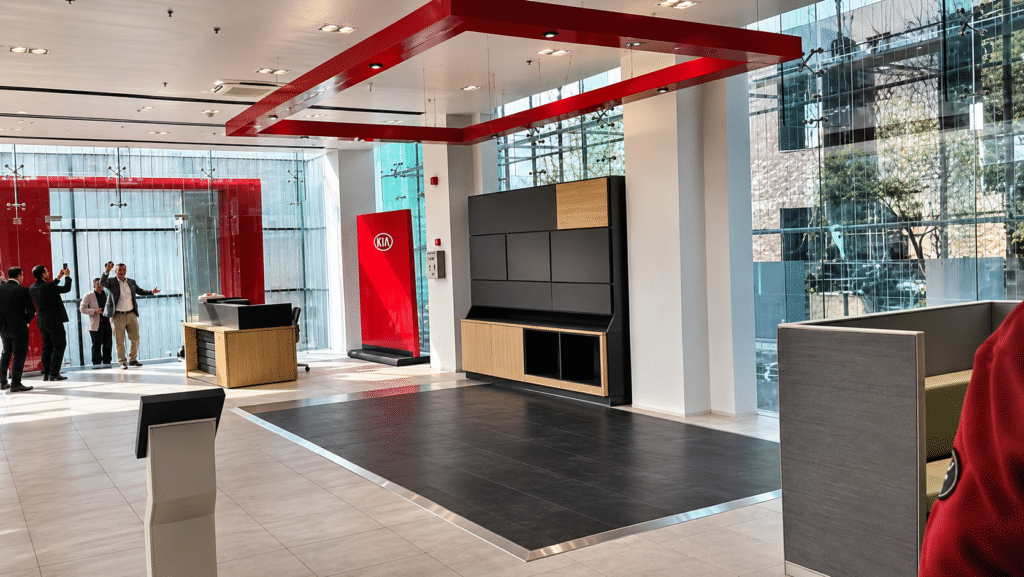
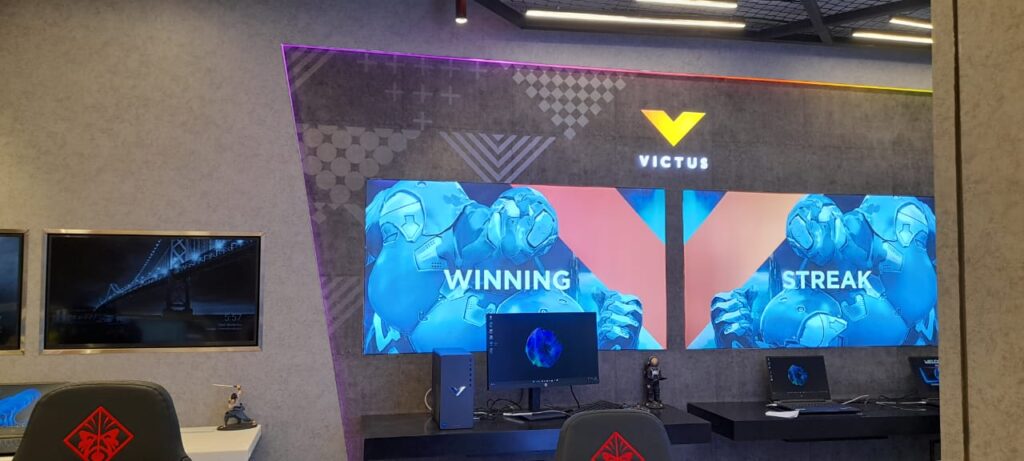
Beyond Retail’s company profile cites more than 1,500 retail showrooms delivered across India, supported by a facility of more than one acre where design, fabrication, printing and signage are made in-house. It delivers turnkey showrooms with civil, electrical and interior works, fixtures, signage and printing, for brands that include Bosch, KENT, Ultraviolette and HP. See turnkey showroom and fixture execution and infrastructure. Share your programme and we will show which parts we would own and how we would coordinate the rest. Beyond Retail: Your complete retail execution partner.