Central, Local or Hybrid Manufacturing for a Multi-City Retail or Franchise Rollout
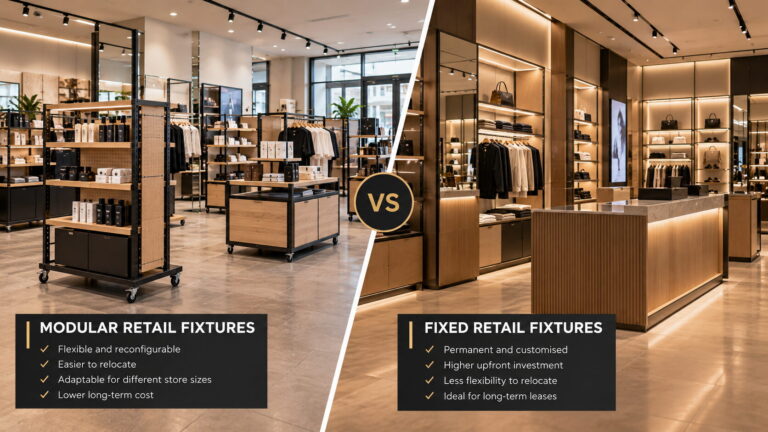
Every multi-city rollout reaches the same fork. Make everything in one place and ship it, or hire a fabricator in each city and save the freight? Vendors who sell one answer usually argue for it hard. Centralised manufacturers say local vendors cannot hold a standard. Local fabricators say central factories ignore the realities of the site. Both are partly right, and the honest answer for most programmes is a split.
This guide lays out the three models, what tends to go wrong in each, a way to decide, and what a hybrid arrangement looks like in practice. It is written for expansion, franchise and project heads who have to make the call, not to sell either one.
The three models
| Model | How it works | Where it fits best | Main risk |
|---|---|---|---|
| Central | One factory designs, makes and prints everything, then ships and installs through its own or partner crews | Repeated units, finish-critical fixtures, many cities, tight brand standards | Freight on bulky items, slower response to site surprises |
| Local | A separate vendor in each city fabricates and installs from your drawings | Oversize or site-built items, urgent single stores, remote towns where freight dominates | Inconsistent finish and materials, uneven quality, many contracts to manage |
| Hybrid | Brand-critical parts and printing made centrally; site-dependent work done locally under one accountable party | Most multi-city programmes and franchise networks | Unclear responsibility at the boundary if not written down |
What tends to drift in a local model
Drift rarely shows in the first store. It shows in store eleven, when two cities have interpreted the same drawing differently. A regional vendor guide describes the hidden cost of managing dozens of localised vendors, with different materials, finishes and timelines. Another points out that keeping brand colours consistent is easier when every piece comes from one facility and one process. An India-focused rollout article adds a point often missed: a store that needs a repair or an extension later may find the original fixtures cannot be matched when different vendors made them.
These are vendor sources with an interest in the answer, so read them as descriptions of failure modes, not proof. The failure modes are real. They are also what a vendor-selection process such as choosing a retail fixture manufacturer is meant to catch.
Where local really does win
- Oversize or site-specific work such as a built-in counter or a feature wall that has to be made to the room.
- Urgent jobs where a local team can deliver in days rather than shipping from another state.
- Heavy or bulky items for small towns where transport costs more than fabrication.
- Local permits and site conditions: local specialists often know the jurisdiction’s requirements and manage site surveys, permits and electrical connection
- Repair and first-response maintenance, where a nearby crew beats a long journey.
A simple way to decide
| Question | If yes, lean to | Why |
|---|---|---|
| Are most units repeated across stores? | Central | Dies, jigs and finish are set once and reused |
| Is finish, colour or material critical to the brand? | Central | One process is easier to control than many |
| Is freight a large share of unit cost because the item is heavy or bulky? | Local or hybrid | Moving air and weight can outweigh fabrication savings |
| Does each site need a different shape or a site-built element? | Local for that element | It has to be made to the room |
| Is the timeline very short for a single store? | Local | Avoids transit and queue time |
| Will you need matching spares and repairs for years? | Central | One vendor can hold drawings and samples |
| Do you operate through franchisees or dealers? | Central kit, local fit | Prevents cheaper look-alike substitutes |
What a hybrid split looks like
In a hybrid rollout the brand-critical decisions stay in one place and the site-dependent work moves close to the store. A practical split:
- Central: drawings and bill of materials, finish library and approved samples, printing, hardware kits, packing and labelling by store.
- Local or regional: site survey, civil preparation, electrical connection, approvals, last-mile installation and first-response repairs.
- One accountable party across the whole chain, with written responsibilities at the boundary: who surveys, who checks delivery, who signs off installation.
A signage vendor sums up the same principle: clear boundaries of responsibility between design, production and installation prevent gaps when different teams handle each stage.
Franchise and dealer-owned stores need a kit, not a drawing
When the franchisee pays, a cheaper local fabricator is always one phone call away. A rollout article describes the pull: franchisees tend to find their own vendors to save cost, and the result is stores that drift from the brand standard. The practical defence is to make the approved route easy: a frozen specification, a fixture kit with a price list and lead time, a small approved vendor panel and an inspection step at opening. That connects to the sign-off checks covered in our retail store rollout plan.
Questions to settle in the contract
- Which parts are made centrally and which locally, listed by fixture type.
- Who owns drawings, tooling and printing files.
- Who surveys each site and whose measurements are final.
- How a defect or damaged unit is reported and replaced.
- How spares are held and for how long.
Frequently asked questions
Is centralised manufacturing always better for a multi-city rollout?
No. It usually gives better consistency for repeated, finish-critical fixtures. Local work is better for oversize, urgent or site-built items and for places where freight outweighs fabrication savings.
Does centralised manufacturing increase freight cost?
It can, particularly for bulky or heavy fixtures sent to small towns. Flat-pack design, consolidated dispatch and a regional installation team reduce the effect.
How do I keep consistency when I use local vendors?
Freeze drawings and a finish library, keep approved samples, centralise printing where possible and inspect the first unit from each vendor before the rest are made.
What is a hybrid rollout model?
Central production of brand-critical parts and graphics, with local survey, permits, electrical work and installation, all under one accountable party.
How should a franchise network handle fixtures?
Provide a frozen specification, an approved kit with price and lead time and an inspection at opening, so the compliant route is also the easiest.
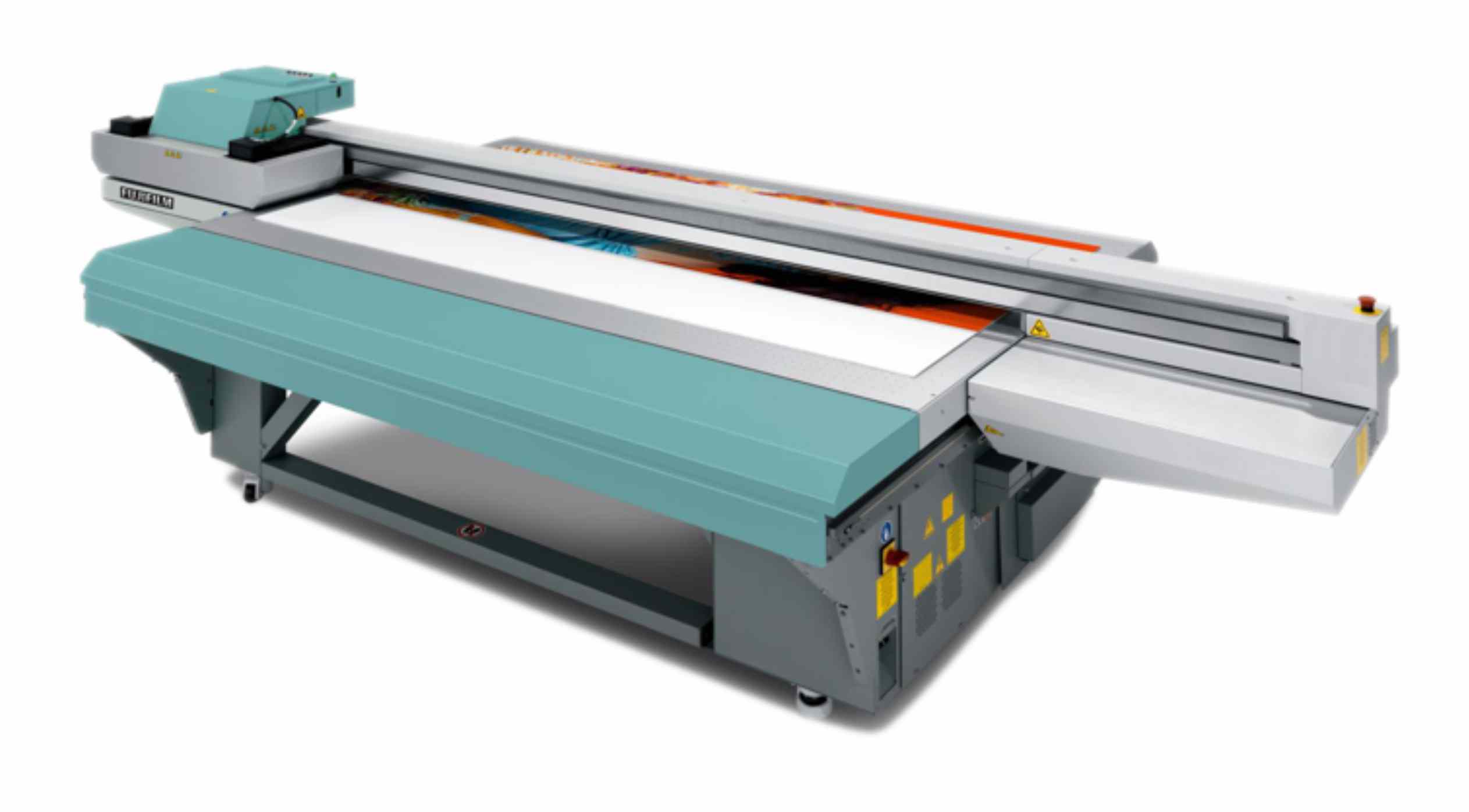
Beyond Retail designs, fabricates and prints in-house at its Delhi NCR facility and executes across India, which is the central end of this split, with site work coordinated to suit each location. If you are comparing models for an upcoming programme, share your store list, city mix and franchise structure, and we can show where central production adds value and where local work makes sense. See also how turnkey showroom and fixture execution is organised. Beyond Retail: Your complete retail execution partner.