Automotive Showroom Display Fixtures: Tyre Racks, Product Displays and Branded Retail Spaces
A tyre is heavy, round, black and made in a wide range of sizes. A display built for folded T-shirts or boxed electronics does not cope with it. Automotive and tyre retail, whether a franchised dealership, a standalone tyre shop or an accessories counter, needs fixtures built around weight, floor load and a brand governance structure that general retail rarely deals with.
This guide covers the fixture types, the floor and brand rules that come first, and a checklist for buying.
The fixture types
| Fixture | Role | Notes |
|---|---|---|
| Tyre rack, wall mounted | Shows tyres on the wall to save floor space | Purpose-built stands in reinforced metal, because standard retail shelving is not rated for tyre weight |
| Tyre rack, floor standing or rotating | Holds stock on the sales floor | Check point loads on the floor |
| Wheel and rim display | Shows alloy wheels at eye level | Needs secure fixing and wipe-clean surfaces |
| Accessory and lubricant bays | Displays smaller products | Modular, adjustable shelving suits a stock mix that changes often |
| Counter and consultation desk | Quotes, bookings and billing | Brand-controlled finishes in a dealership |
| Vehicle display zone | Shows cars or bikes | Floor load and CI rules apply |
The floor has to be engineered
Vehicles and stacked tyres put concentrated loads on a showroom floor. A UK flooring guide gives roughly 300 to 500 kg per square metre for a standard showroom and 500 to 800 kg per square metre for heavy-duty use, with point loads of 200 to 400 kg. A rack concentrates its own point load, so check it against the actual floor rating. These are overseas reference figures. A structural engineer should confirm the floor of your premises. A guide to showroom design adds that electric vehicles carry extra battery weight, so floors increasingly need to support more.
Branded dealership space
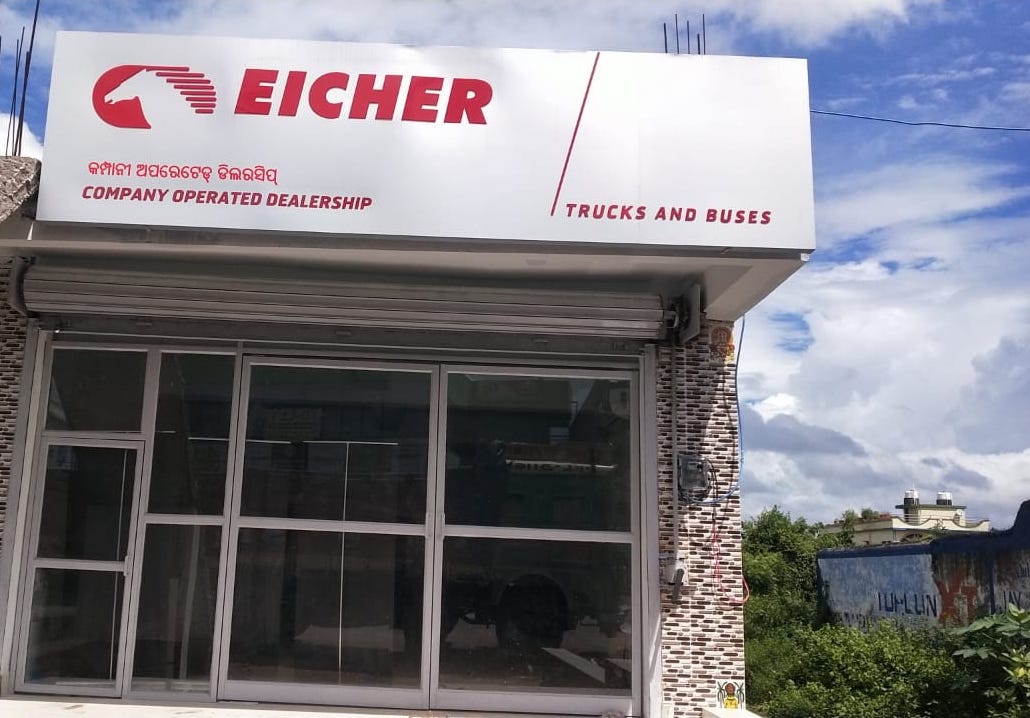
A franchised dealership works under the manufacturer’s identity programme. One design guide describes a Corporate Identity programme that dictates showroom architecture, finishes, colours matched to codes and fixture specification, and a typical 3S or 4S plan that divides floor space roughly 60 percent to vehicle display, 20 percent to customer hospitality and 20 percent to administration and service. The manufacturer’s manual is effectively the fixture brief. Obtain it before design starts and check drawings against it before fabrication.
Design points that matter in this category
- Rated construction: reinforced metal for tyres and wheels, with load per rack stated.
- Easy cleaning: finishes that tolerate dust, rubber and grease marks.
- Reconfigurability: adjustable shelves and removable headers, because sizes and ranges change.
- Security for small, high-value accessories in lockable cases.
- Brand zones: graphic panels and lit headers sized to the brand manual.
- Access: aisles wide enough to move tyres and vehicles safely.
A buying checklist
- Format and area, with the brand manual attached for a dealership.
- Tyre sizes and quantities per rack, to set load and dimensions.
- Floor rating, confirmed by an engineer, and rack footprint.
- Materials and finish, with samples.
- Number of accessory and lubricant bays, and adjustable shelving.
- Branding elements and lighting.
- Delivery, assembly and installation, with loading access.
- Spare parts and repair plan.
Frequently asked questions
What are tyre display racks made of?
Usually reinforced metal, because standard retail shelving is not rated for tyre weight. Wall-mounted, floor-standing and rotating versions are used.
How much floor load does a car showroom need?
A UK guide gives about 300 to 500 kg per square metre for standard showrooms and 500 to 800 kg per square metre for heavy-duty use. Confirm your own floor with a structural engineer.
What is a CI programme in a dealership?
The manufacturer’s corporate identity programme, which sets showroom architecture, finishes, colours and fixtures that the dealer must follow.
Do electric vehicles change showroom design?
They add weight, so check floors and fixtures against the heavier end of the vehicle range.
Can tyre and accessory fixtures be reconfigured?
Yes. Adjustable shelving and modular units suit a changing product mix.
Beyond Retail’s public project portfolio includes automotive and tyre brands, and it designs and fabricates fixtures in-house at its Delhi NCR facility with 3D design to check a rack before production. See turnkey showroom and fixture execution and our retail fixtures. Share the brand manual and floor plan and we will propose a fixture schedule.