Retail Display Technology, Ranked: A Tier List for Where to Spend on Static, Lit, Interactive and Digital Fixtures
Every retail marketer eventually sits in a meeting where someone asks “should we do an LED wall or just better signage?” and the honest answer is almost never a straight comparison, because static signage, illuminated displays, interactive fixtures and full digital screens aren’t competing for the same job. This is a tier list built around a single question for each category: where does this technology earn back more than it costs, and where is it spend for its own sake?
How the tiers are defined
Four tiers, based on how reliably the format pays for itself across a typical retail deployment, not on how impressive it looks in a pitch deck.
| Tier | What it means |
|---|---|
| S | Earns its cost in nearly every deployment; the safe default choice |
| A | Strong return in the right context; needs a clear reason to use, but delivers when that reason exists |
| B | Situational; works well for a specific goal but is frequently chosen when it shouldn’t be |
| C | Rarely worth the cost relative to a simpler alternative that does nearly the same job |
S tier: static printed signage and standard fixtures
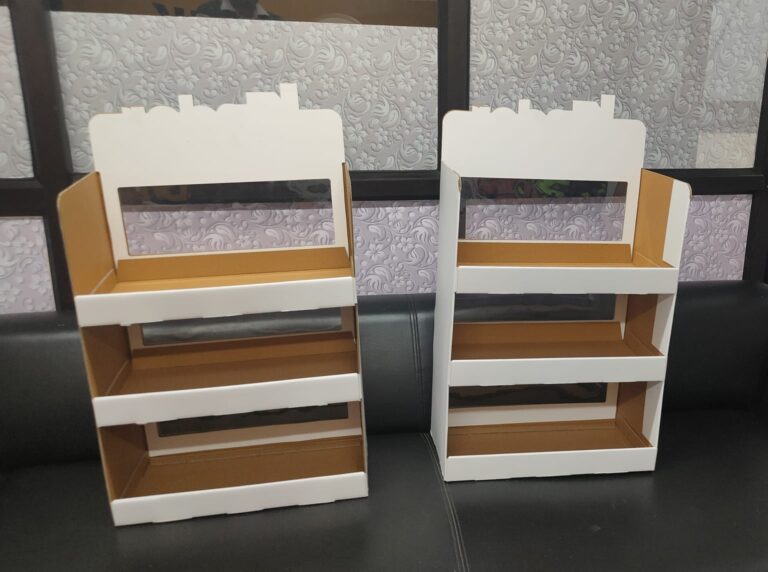
This is the unglamorous backbone of retail, and it’s S tier precisely because it’s unglamorous. Printed graphics, standard shelving, well-designed static POSM, cost a fraction of anything lit or digital, need no power, no content pipeline and no maintenance beyond replacement, and still do the core job of communicating price, product and brand. Every store needs this layer regardless of what else gets added on top, and a chain that skips straight to flashy formats without getting this foundation right is building on sand.
A tier: illuminated static displays
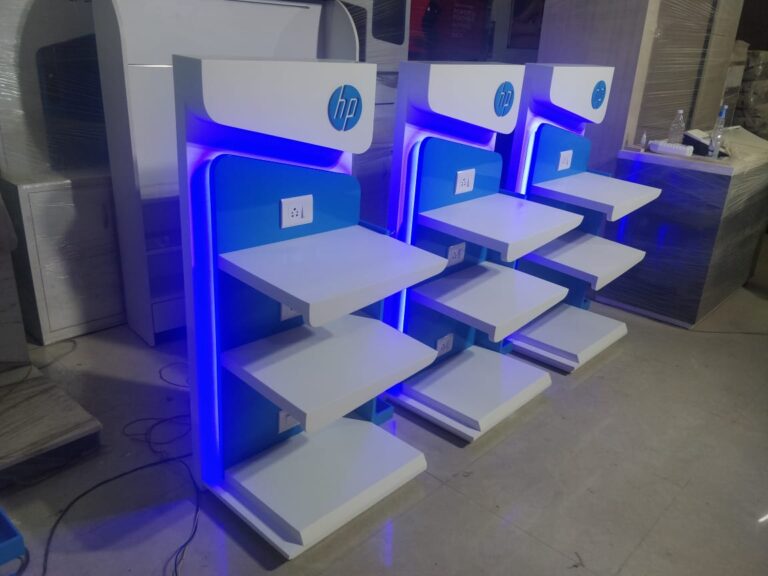
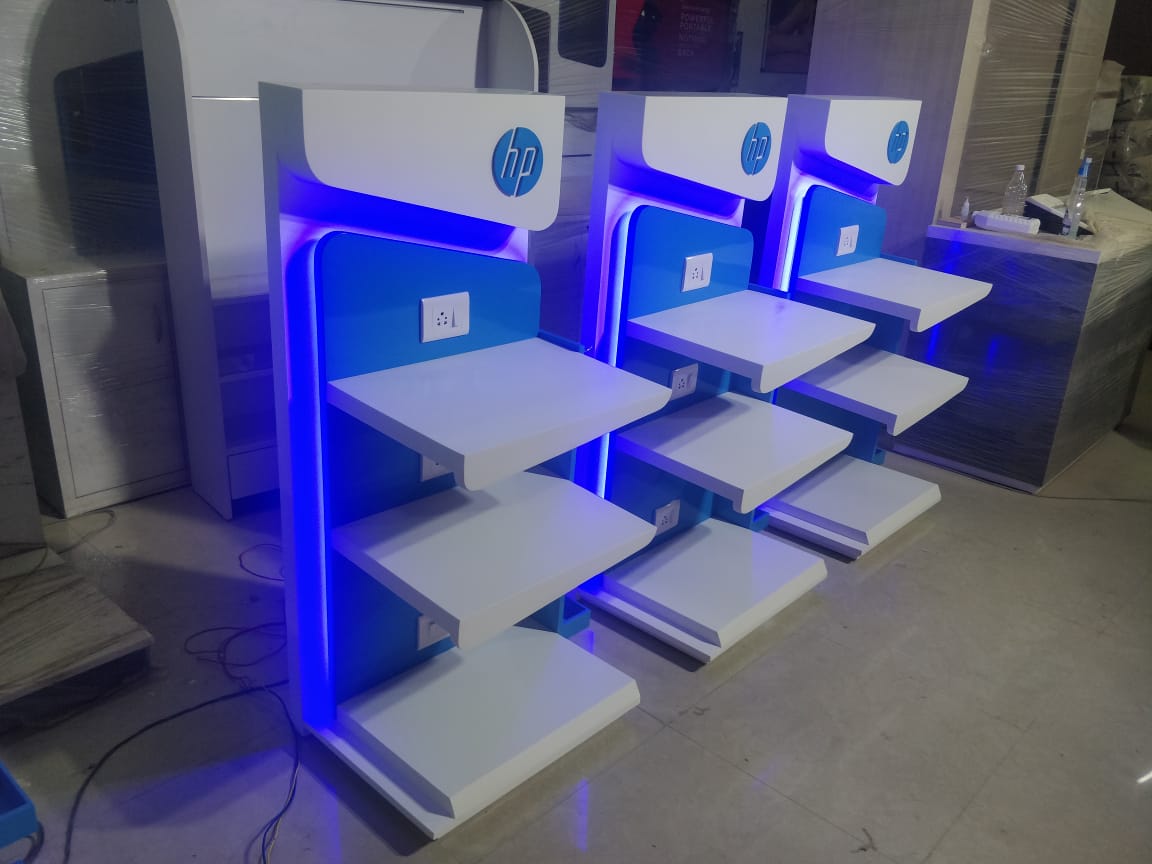
LIT posters, edge-lit panels, backlit signage and illuminated counters sit here because they reliably outperform flat printed graphics in visibility and shelf stand-out, at a cost increase that’s usually proportionate to the benefit. The cost premium is real but bounded, and the running cost is low: a backlit panel needs power and an occasional bulb or LED strip replacement, nothing more. This tier earns its place wherever shelf visibility genuinely drives the sale, a launch display, a premium counter, a window feature, but doesn’t need to be used everywhere.
B tier: interactive and motion-based displays
Rotating cubes, motorised fixtures, touch-reactive elements. These can be genuinely effective and are frequently misused. Interactive formats earn their place when the product itself benefits from being shown in motion or demonstrated hands-on, a mechanism, a texture, a function that’s hard to convey statically, and when there’s a realistic plan for upkeep, since a stalled rotating fixture or a dead interactive panel is worse for the brand than if it had never been installed. The mistake that drops this tier from A to B in practice is choosing interactive display because it’s novel rather than because the product or message specifically calls for it.
B tier: 3D and dimensional POSM
Danglers, dimensional posters, shaped cutouts and 3D POS pieces sit here for similar reasons to interactive display: strong impact in the right FMCG shelf-level context, where they genuinely interrupt a crowded shelf, but easy to overuse until every category in the store is competing for the same attention with the same trick. Reserved for a launch or a hero product, this tier performs well; used as a default across the whole range, the effect cancels itself out.
C tier: full LED video walls, used as a generic brand-video player
This is the tier most likely to disappoint relative to its cost, and the distinction matters: an LED video wall is not inherently bad, it’s bad specifically when deployed as a looping brand-video screen with no clear job beyond ambient presence. The hardware, installation, content production and ongoing content refresh cost more than almost any other format on this list, and a generic loop stops earning attention within weeks of installation. The same hardware moves up to A tier the moment it has a specific job, a flagship landmark feature, a genuine product demonstration that benefits from video, with a real content and maintenance plan behind it. The tier rating here is about the common failure mode, not the technology itself.
Putting the tiers to work in a real budget
A sensible store budget looks roughly like an inverted pyramid: the largest share on S-tier static fixtures and signage that cover the whole store, a meaningful chunk on A-tier illuminated elements at specific high-traffic points, a small, deliberate allocation to B-tier interactive or dimensional pieces reserved for launches and hero products, and C-tier full digital spend only where a specific flagship location and a real content plan justify it. A store that inverts this, spending most of the budget on one dramatic C-tier centrepiece and starving the S-tier basics, usually ends up with an impressive photograph and a store that doesn’t actually sell as well as the picture suggests.
Beyond Retail manufactures across this entire spectrum in-house, from digital printing and custom retail fixtures at the S and A tiers, through point-of-sale materials covering illuminated, rotating and 3D POSM formats, to digital LED and video installations at the top end. That range means a budget allocation like the one above doesn’t need to be split across several vendors, one design-and-fabrication partner can price and build the whole pyramid. If you’re working out where to actually spend across a store or a rollout, share the brief and the mix can be built around what each fixture genuinely needs to do, not just what looks most impressive in a render.