Tier-1 vs. Tier-2 Retail Fixture Manufacturers in India: What Actually Separates Them
“Which fixture manufacturer should we use” is usually the wrong first question. The better one is “what kind of company are we actually talking to,” because the retail fixture market in India, like most manufacturing sectors, is structured in tiers, and a buyer who doesn’t know which tier they’re dealing with can end up paying a Tier-1 price for Tier-2 capability, or the reverse. The concept comes straight from standard supply-chain terminology.
Borrowing a real supply-chain concept
Tiering isn’t a retail-specific idea, it’s standard across manufacturing. A Tier 1 supplier has a direct commercial relationship with the buying organisation and delivers finished components or systems straight into the final product, while a Tier 2 supplier sells into Tier 1, one step further removed, typically working build-to-print with limited or no design responsibility of its own. Applied to retail fixtures, the same logic holds: a Tier-1 fixture manufacturer works directly with the brand, owns design and fabrication, and is accountable end to end; a Tier-2 operation typically fabricates to someone else’s specification, often as a subcontractor to a Tier-1 player or a design agency, with less design ownership and less direct accountability to the brand placing the order.
What actually separates the two in practice
| Factor | Tier-1 pattern | Tier-2 pattern |
|---|---|---|
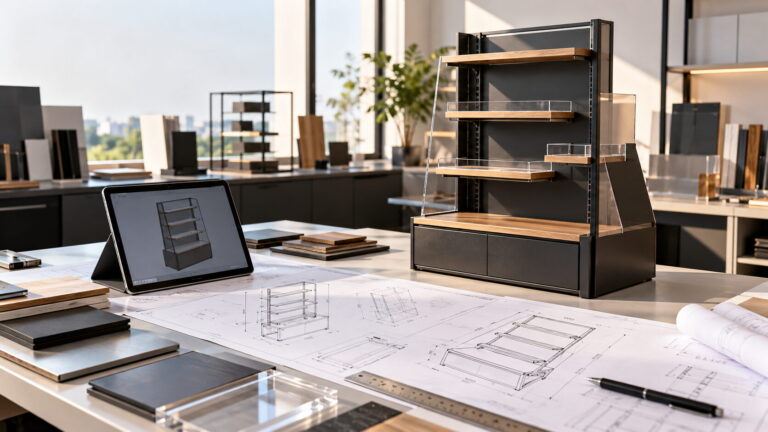
| Design ownership | In-house 3D design and engineering, from concept through manufacturable drawings | Works to drawings supplied by someone else; limited or no independent design capability |
| Fabrication location | Owns and operates its own production facility | May own some equipment, but commonly job-works through further subcontractors for specific processes |
| Accountability | Direct, single point of contact for the brand across the whole project | Accountability can blur once work passes through another layer of subcontracting |
| Quality consistency | Controls its own process end to end, so consistency across a large order is more directly enforceable | Consistency depends on how tightly the Tier-2 vendor manages its own subcontractors |
| Typical engagement | Multi-store rollouts, brand-critical fixtures, projects where design and execution need to stay aligned | Smaller, well-specified orders where the brand or its design agency has already done the design work |
Neither tier is automatically the right choice
This isn’t a case for always paying for Tier-1. A brand that already has finished, fully detailed drawings from its own design team, and just needs them fabricated accurately at a good price, can get excellent value from a well-run Tier-2 operation, because it isn’t paying for design capability it doesn’t need. The mismatch happens the other way round: a brand that needs design input, consistent execution across many stores, and single-point accountability, but engages a Tier-2 operation because the quote looked attractive, often discovers the gap only once a rollout is underway and consistency starts slipping between batches.
How to tell which tier you are actually talking to
Vendors rarely announce their own tier, and the marketing language on a website or in a pitch deck isn’t a reliable signal either, since both tiers describe themselves as manufacturers. A few direct questions cut through this faster than any amount of brochure-reading.
- Who does the design work, your own in-house team, or does it go to a separate design agency or subcontractor?
- Can we visit the actual production facility where our fixtures will be made?
- If part of this order is subcontracted, which parts, and to whom?
- Who is our single point of contact if something goes wrong mid-production, you directly, or do you need to check with another party?
- Can you show us finished work from a comparably sized order, not a one-off showpiece?
Why this matters more as a rollout gets bigger
A single-store order can tolerate some ambiguity about who’s actually doing the work, because there’s only one outcome to check. A multi-store, multi-city rollout can’t, because consistency across dozens of fixtures depends on one party controlling the process end to end. This is the same logic behind building a weighted vendor scorecard for a large order, except the tier question comes first: scoring a Tier-2 operation against Tier-1 criteria, or vice versa, produces a comparison that looks precise but is actually measuring the wrong thing.
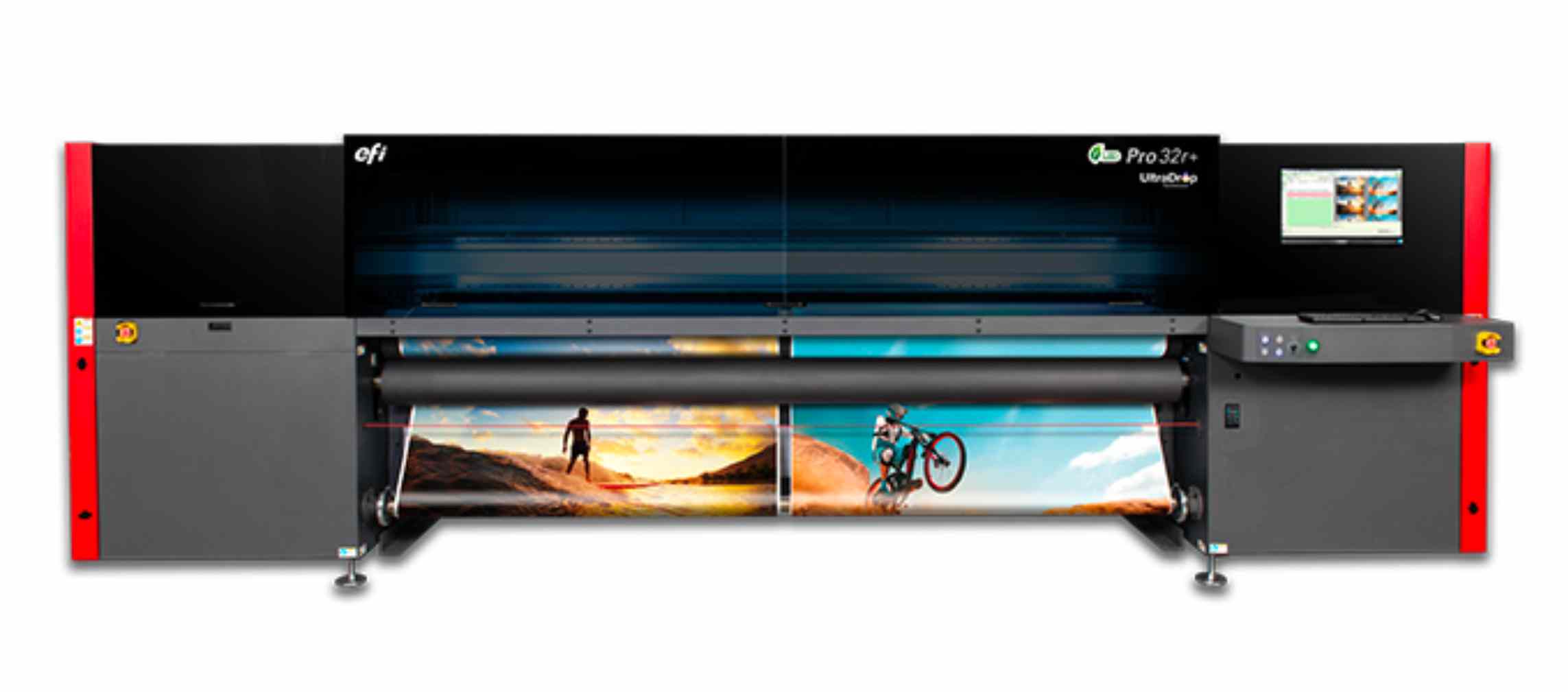
Beyond Retail operates as a Tier-1 manufacturer by the definition in this article: in-house 3D design, its own fabrication and digital printing facility in Delhi NCR, and direct accountability across turnkey showroom and fixture execution from concept to installation, rather than working to someone else’s drawings as a subcontracted step. If you’re evaluating vendors for a rollout and want to know exactly which tier you’re talking to, share your project scope and the distinction can be made clear from the first conversation.