Why Shoppers Walk Past Your Display: 9 Reasons Retail POSM Gets Ignored (and How to Fix Each)
A brand pays for design, printing, dispatch and installation of a display, and the shopper walks past it as if it were a fire extinguisher. This is not rare, and it is rarely about the idea. It is usually about how the display was designed, where it was placed and whether it survived the first week.
Here are nine reasons displays get ignored, with a fix for each. One Indian display maker puts the cause plainly: shoppers have a task in mind and filter out everything that does not support it.
1. It shouts instead of saying one thing
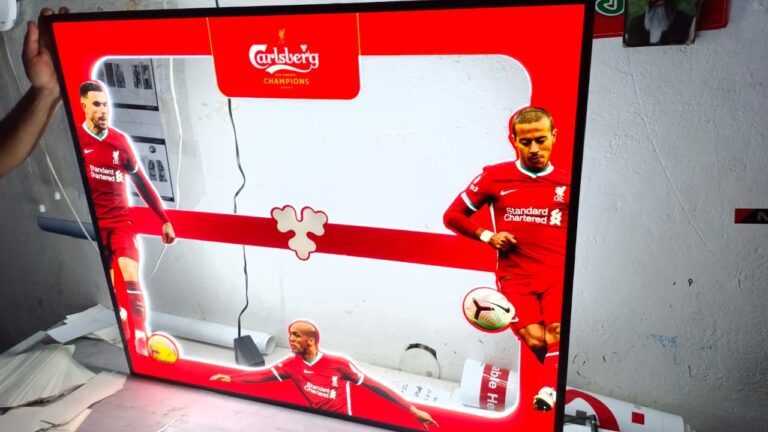
Loud colours, crowded text and oversized headers create visual noise, and shoppers learn to tune it out within seconds. Fix: one idea per display. What is it, and why now. Leave the rest to the pack and to staff.
2. It is in the wrong place
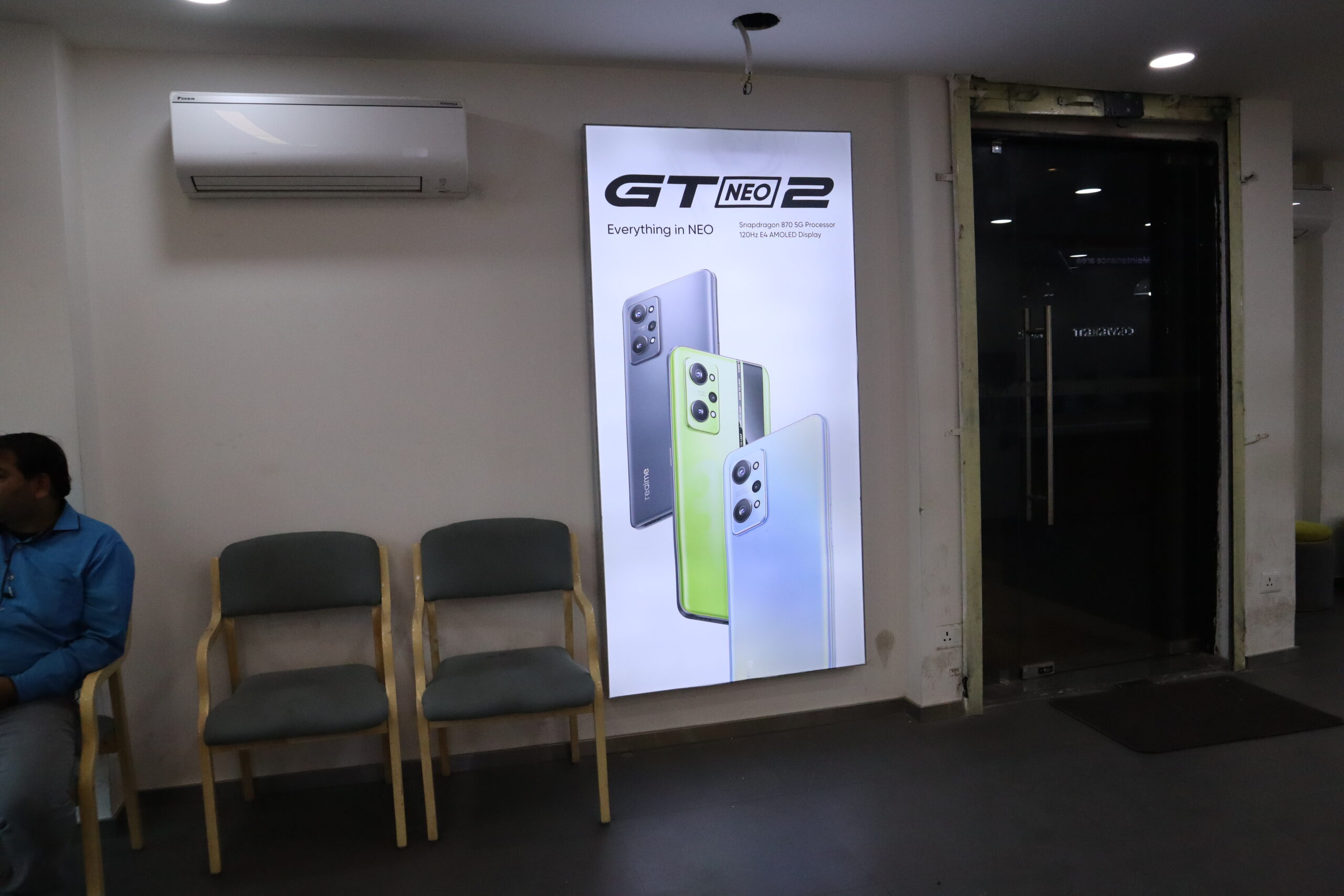
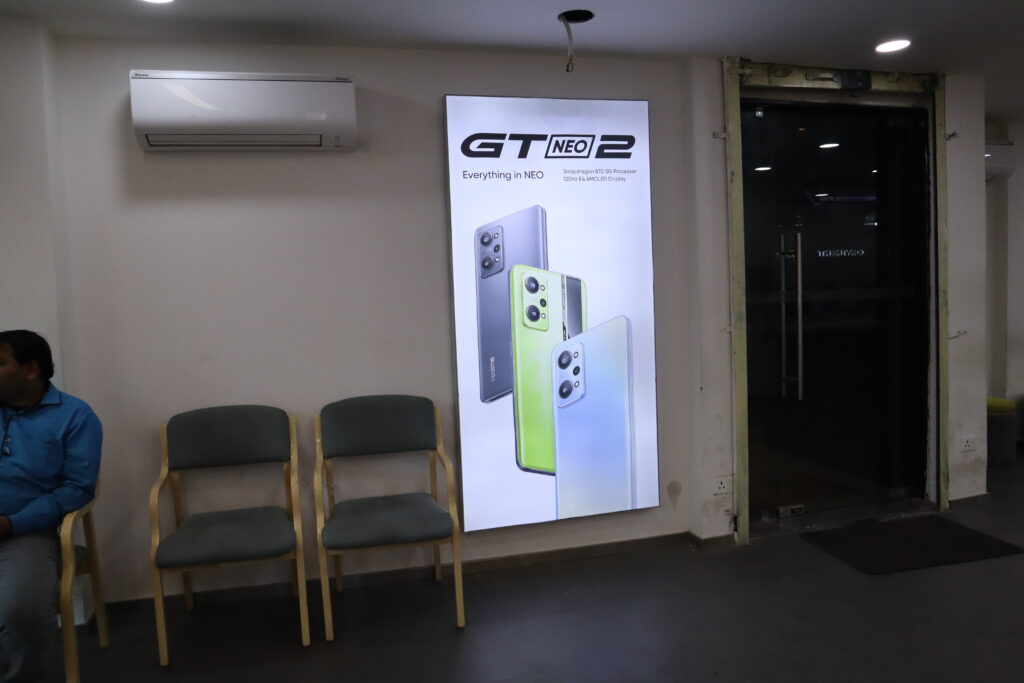
Placement often matters more than design. Displays pushed into empty corners, narrow aisles or the busiest entry points get skipped. The same source says good displays sit where people already hesitate, such as waiting areas, aisle ends and transition points. Fix: agree the position with the retailer before the design is final. See our guide to choosing a display for a product launch.
3. Too much to read
Shoppers scan, they do not read. If the message takes more than a few seconds to take in, interest drops. Fix: a headline, a product and an offer. Test it by showing the design for three seconds and asking what people remember.
4. It ignores eye level
Products placed below eye level while the brand name dominates the top break the natural path from product to price. Fix: put the product and the offer where the eye lands first and the logo where it supports them.
5. The same design for every store
A display that works in a quiet chemist can disappear in a busy supermarket. Fix: design two or three variants by store type and size, and match footprint and lighting to the store.
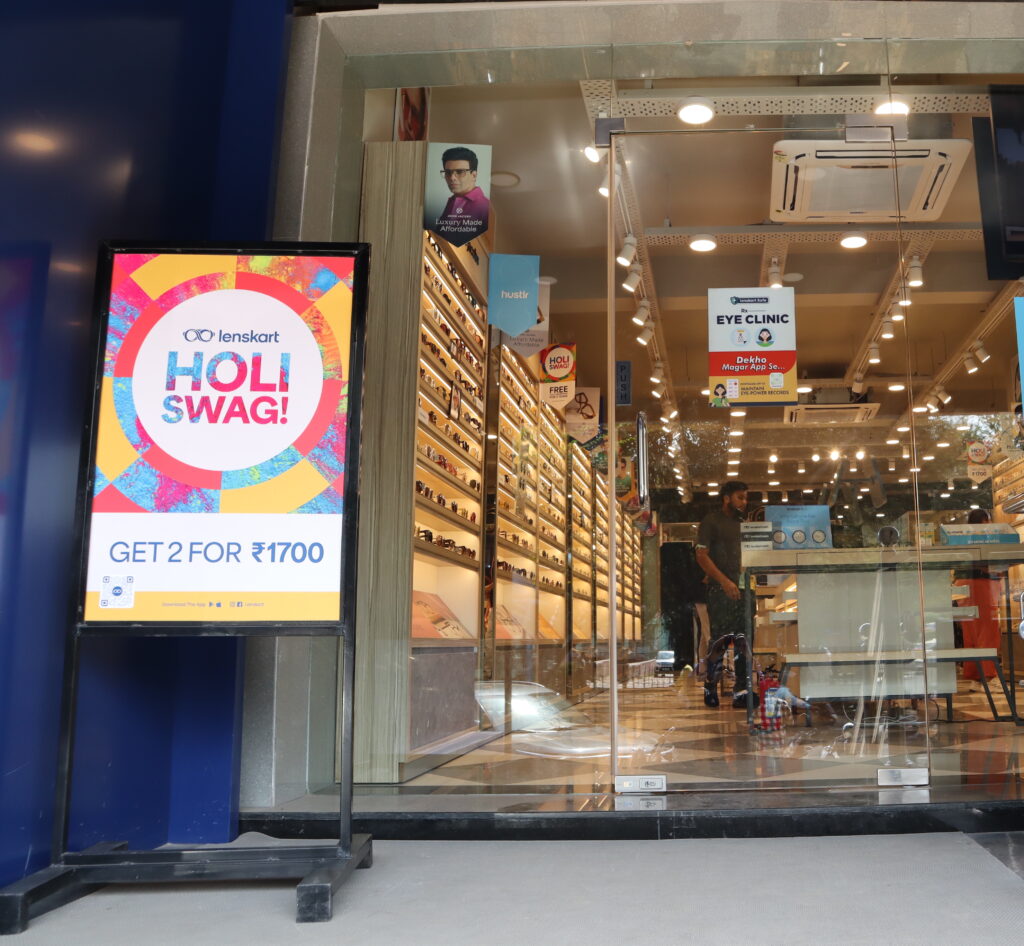
6. It looks cheap or damaged
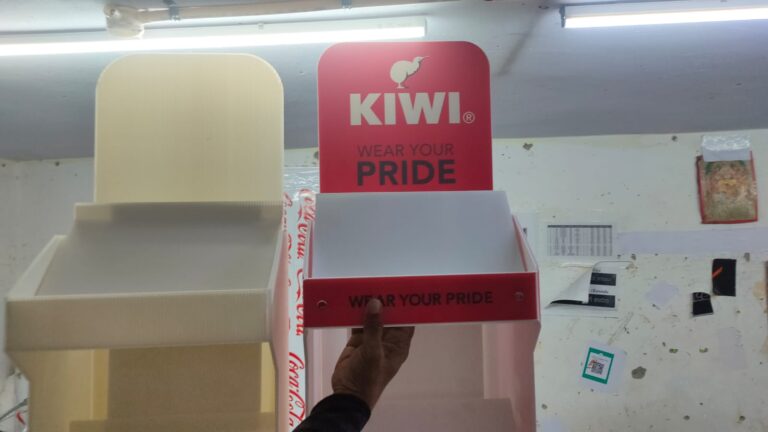
Shaky stands, peeling prints and bent frames cost credibility, and shoppers assume the product is the same. Fix: choose the material for the time in store, and pack and handle it so it arrives clean. Our guide to in-store standees covers formats and materials.
7. It is not relevant right now
A display that reminds shoppers of a small need at the right moment feels helpful, and one that shouts discounts feels like an interruption. Fix: link the message to the moment, such as a festival, the checkout queue or the season.
8. It was never set up properly
Many displays are delivered and never assembled, or are assembled wrongly and left half stocked. Fix: send an installation guide with pictures, label cartons by store, and require a photo from every store. See our guide to choosing between display formats and how installation fits the plan.
9. It is judged on day one, not day thirty
Retailers often judge displays by how they look on the first day. The real test is day thirty, and a display that needs constant fixing or is bumped by trolleys has failed. Fix: test a pilot in a few stores for several weeks before the full run, and check them on the way.
A simple test to run
Do not guess. Install the compliant display in some stores and not in matched others, then compare sales velocity and conversion, as a field guide suggests comparing stores with a compliant display against stores without one. That needs photographs to show which stores installed it. See POS displays that drive sales.
A checklist before you order
- One message, readable in three seconds.
- A position agreed with the retailer, and a size that fits it.
- Product and offer at eye level.
- Variants for the main store types.
- Material and finish chosen for the time in store.
- Installation guide, labelled cartons and a photo check.
- A pilot, and a review at day thirty.
Frequently asked questions
Why do shoppers ignore in-store displays?
Common reasons are visual clutter, poor placement, too much text, wrong eye level, generic design, cheap-looking materials, irrelevant timing, poor installation and not being tested over time.
Where should a display be placed in a store?
Where shoppers already slow down, such as aisle ends, waiting areas and transition points, and agreed with the retailer.
How much text should a display have?
As little as possible: a headline, the product and the offer, readable in a few seconds.
How do I know if a display is working?
Compare sales and conversion in stores with the display against matched stores without it, and collect installation photos.
Does display material affect results?
Yes. Damaged or flimsy displays reduce trust, so choose materials to suit the time in store.
Beyond Retail designs, prints and builds POSM in-house in Delhi NCR, from cardboard FSDUs and acrylic counter units to illuminated and 3D formats. Its company profile includes displays for brands such as boAt, Nothing, Infinix, Durex and Muthoot Finance. See point-of-sale materials. Send us your display brief with the store types and what is underperforming, and we will suggest fixes before you reorder.