Custom Retail Fixtures vs Standard Fixtures: How to Decide for Your Stores
Every fixture decision starts with the same question: do we buy what exists, or build what we need? Standard fixtures are quick and familiar. Custom fixtures fit the brand and the space. Most brands end up with a mix, and the useful question is which fixtures should be which.
This guide compares custom retail fixtures and standard fixtures on cost, speed, fit, consistency and life, and gives a framework for choosing in a multi-store programme.
What each term means
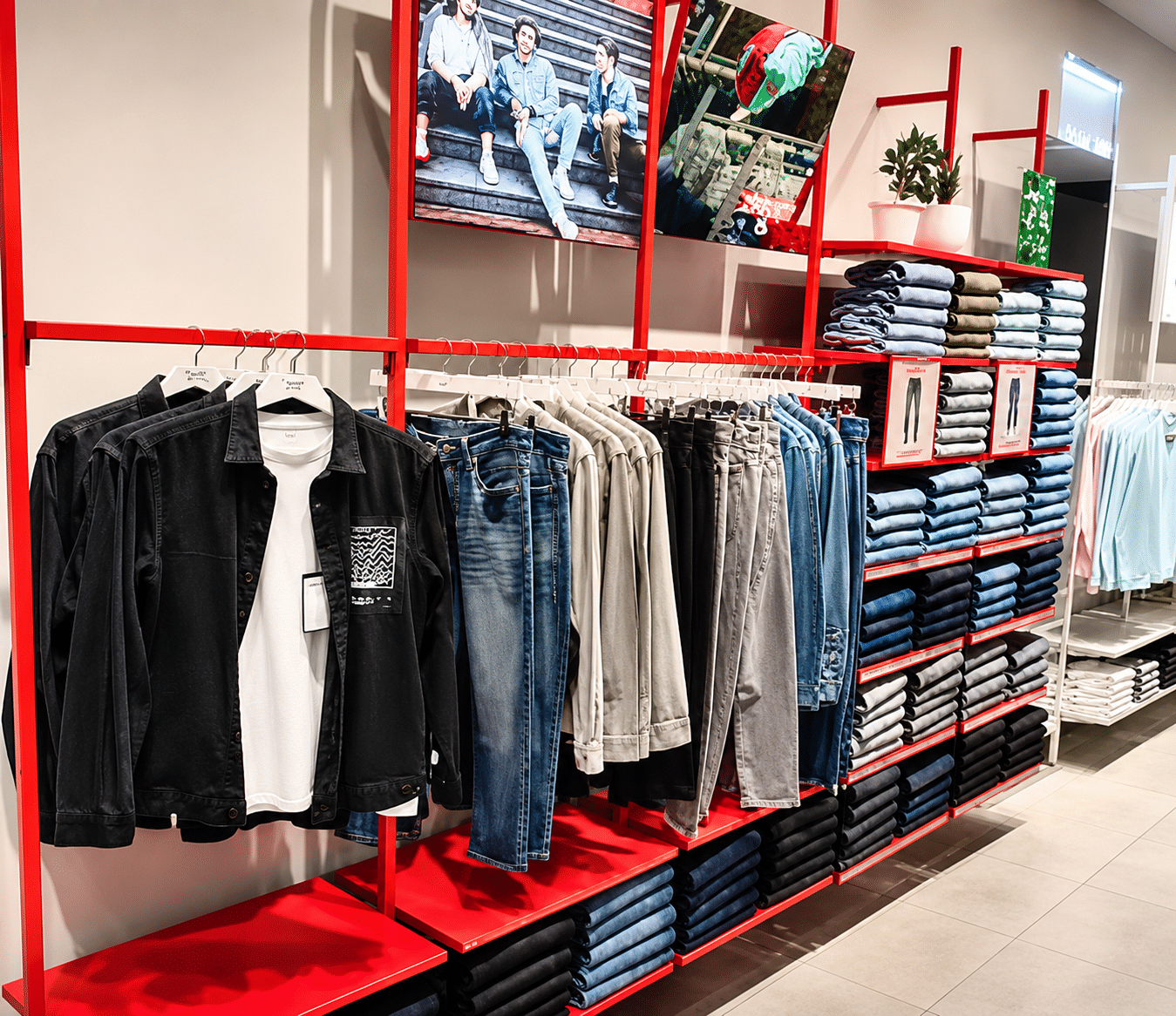
Standard fixtures are catalogue items in fixed sizes: gondolas, wall systems, tables, racks. A guide for retail chains describes off-the-shelf fixtures as pre-designed items in standard sizes, quick to buy and cheaper per unit. Custom fixtures are designed and built to your drawings: your dimensions, materials, finish, lighting and branding. In between is a modular system, a kit of standard parts configured for your brand.
The comparison
| Factor | Standard | Custom |
|---|---|---|
| Upfront cost | Lower per unit | Higher per unit, because design and set-up are included |
| Lead time | Short if in stock | Longer: design, approval, prototype, production |
| Brand fit | Generic. Brand is added by graphics | Fits shape, finish and lighting to the brand |
| Fit to space | Limited to catalogue sizes | Made to the available wall, column or footprint |
| Consistency across stores | Depends on supplier stock and batches | Controlled by one specification and one maker |
| Spares and repair | Often easy if the line continues | Easy if the maker keeps drawings and tooling |
| Distinctiveness | Looks like other stores | Can carry a signature element |
Cost depends on quantity. Custom set-up cost is spread over the run, so the gap narrows as store count grows. Our guide to showroom setup cost in India explains how fixture cost sits within the wider budget.
When standard is enough
-
Back-of-house, storage and low-visibility areas.
-
Short-life or temporary stores and pop-ups.
-
Categories where the product is the hero and the fixture should disappear.
-
Tight timelines where a catalogue item can be delivered faster than a design cycle.
-
Single stores where tooling cost cannot be spread.
When custom earns its cost
-
Brand-defining zones: the entrance, the hero wall, the signature display.
-
Awkward spaces such as columns, mezzanines and irregular walls.
-
Products with unusual shape, weight or security needs, such as devices, tyres or jewellery.
-
Illuminated, branded or interactive units that catalogues do not offer.
-
Chains that need repeatable consistency across many cities.
The hybrid approach most brands use
A common answer is to split the store. A refurbishment guide recommends combining custom statement pieces with standard fixtures to balance impact and budget. An Indian supplier makes a similar point about modular-custom systems: standard modules built to your dimensions and finish. For a chain, this often means a custom hero fixture and header system, with standard-pattern modules behind it, all made to one finish library.
How custom fixtures are actually made
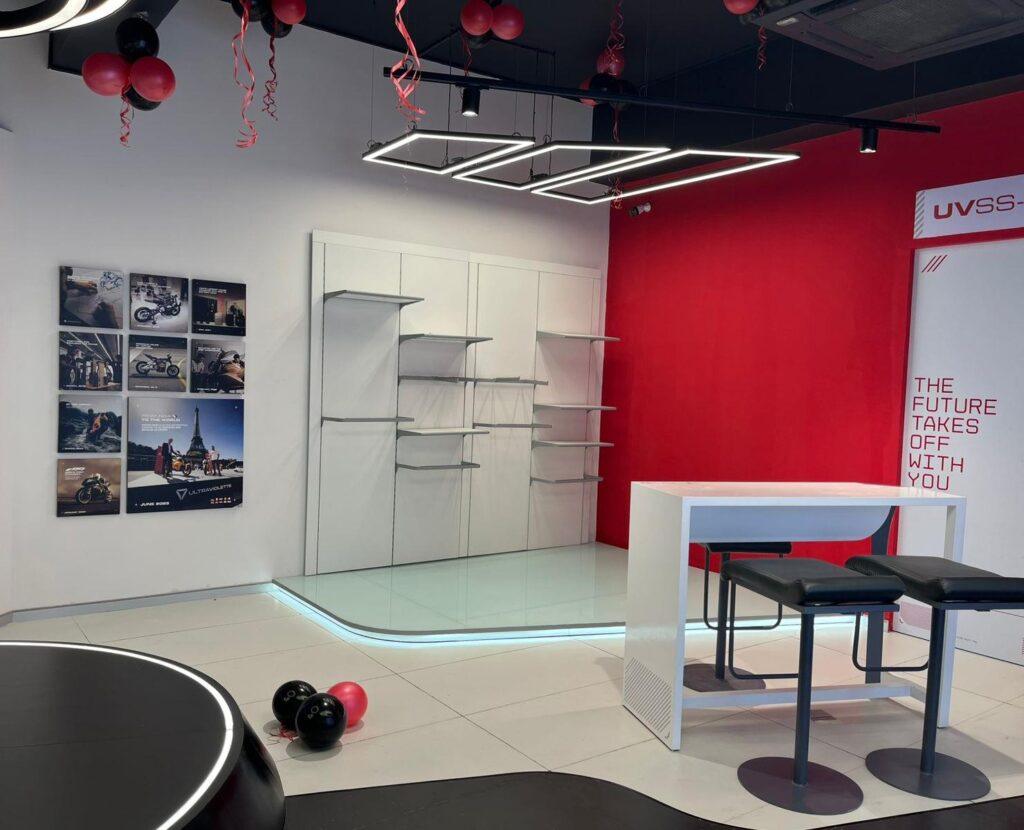
Understanding the process explains the lead time and the cost. A custom fixture typically goes from brief to 3D design, to a drawing approved by the brand, to fabrication, to finishing and print, to installation. At Beyond Retail, design, fabrication, printing and installation sit under one roof in Delhi NCR, which shortens the loop when a drawing changes. Fixtures are built in metal, acrylic and wood, with direct UV printing and illuminated elements where needed.
A decision framework
| Question | If yes |
|---|---|
| Is this fixture a brand moment customers will remember? | Custom |
| Will it be repeated in more than a handful of stores? | Custom, because set-up is spread |
| Does the space or product need a non-standard size? | Custom |
| Is delivery needed in a few weeks and the design is not critical? | Standard |
| Will the store stay open for less than a year? | Standard or modular |
| Do you need matching spares for years? | Custom with drawings held by the maker |
A brief for either route
-
Fixture list with quantities by store size.
-
Dimensions, loads and finish for each fixture.
-
Which fixtures are custom, which standard, and why.
-
Finish library and brand colour codes.
-
Lead time target and the in-store date.
-
Who holds drawings, tooling and spares.
Frequently asked questions
What is the difference between custom and standard retail fixtures?
Standard fixtures are catalogue items in fixed sizes. Custom fixtures are designed and made to your dimensions, materials, finish and branding.
Are custom fixtures always more expensive?
Usually more per unit, because design and set-up are included, but the gap narrows as quantity rises and when repairs and replacement are counted.
How long does a custom fixture take?
Longer than a catalogue item, because it includes design, approval and production. Lead time depends on complexity and approvals, so ask the maker for a schedule from approved drawings.
Can I mix custom and standard fixtures?
Yes. Many brands make hero fixtures custom and use standard-pattern modules elsewhere, built to one finish library.
Which suits a multi-store chain?
A hybrid with custom brand-defining fixtures and repeatable modules, made by one maker, usually gives the best consistency.
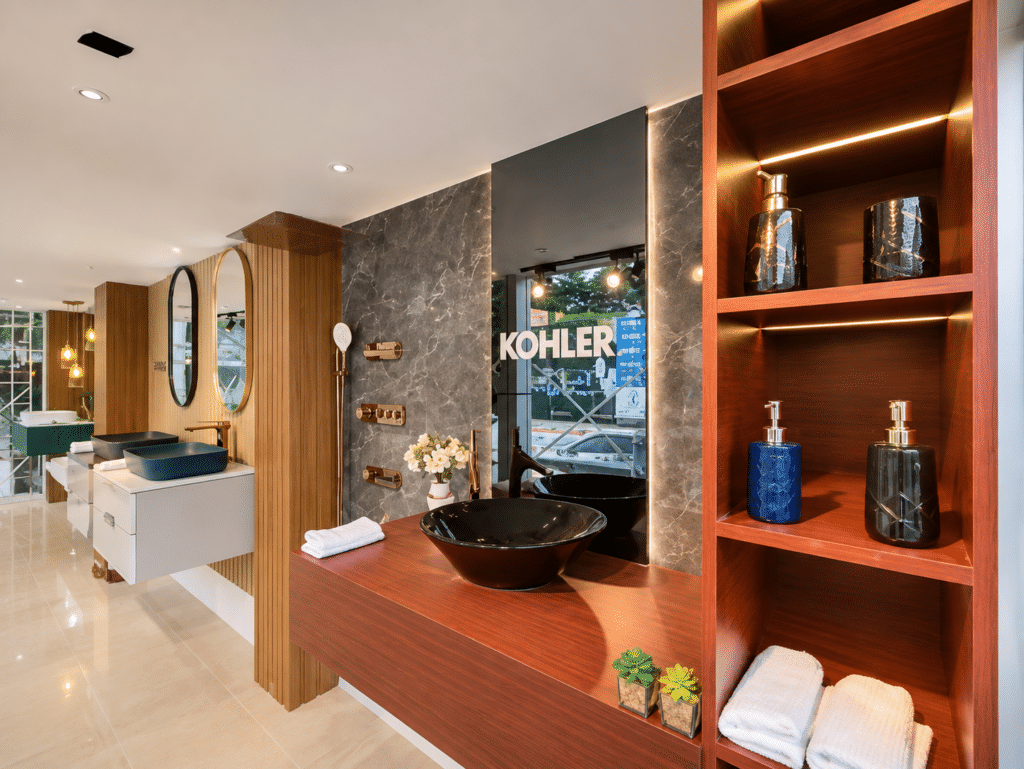
Beyond Retail has built fixtures and turnkey showrooms for brands across electronics, apparel, automotive, home and appliances. Its company profile shows custom showroom fixtures for names such as KENT, Bosch, Cera and Libas. See its custom retail fixtures and turnkey showroom and fixture execution. Share your store formats and we will tell you which fixtures should be custom and which standard. Beyond Retail: Your complete retail execution partner.