How to Choose the Right Countertop Display for FMCG Products
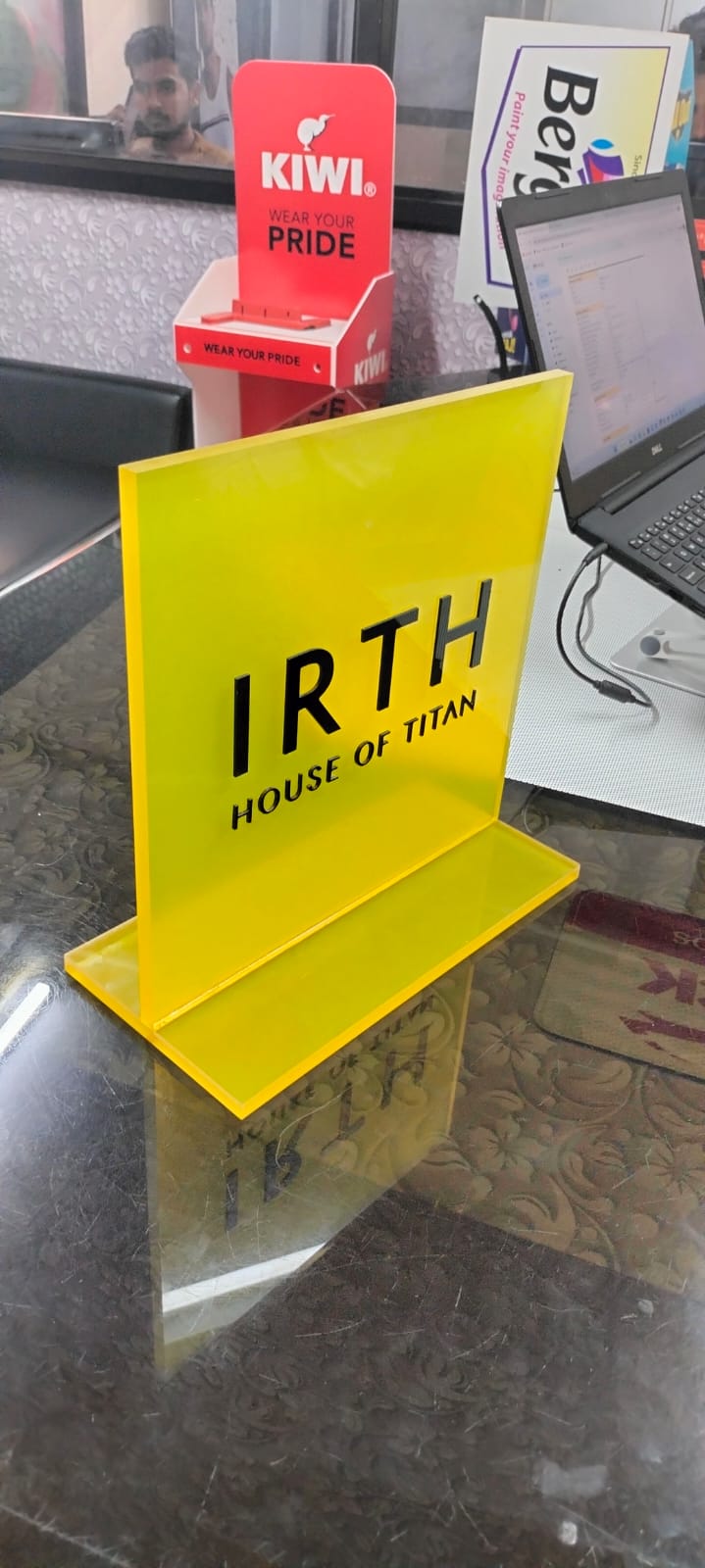
A counter top unit looks like the simplest display in the portfolio. It is small, light and cheap. It is also one of the easiest to get wrong, because it has only a few seconds, a few inches of counter and a busy cashier working around it.
This guide explains how to choose a countertop display, or CTU, for FMCG products: from product fit and counter footprint to structure, material, testing and what to put in a quote request.
Start with the product, not the shape
A supplier guide to counter displays advises that the starting point is the product itself: dimensions, unit weight, pack format, SKU count, and how shoppers pick it up. A lip balm, a pouch snack, a boxed supplement and a blister pack behave differently, even if the footprint is the same. Record the numbers before choosing a format.
Confirm the counter footprint
Counters in India vary widely: a kirana counter shared with a weighing scale, a chemist counter with a billing computer, a modern trade checkout with a scanner and payment terminal. The same guide advises checking usable counter width and depth, height limits, scanners, payment devices, bagging and staff movement. A unit that blocks the billing flow gets moved or removed by staff.
Choose the structure
| Structure | Suits | Watch for |
|---|---|---|
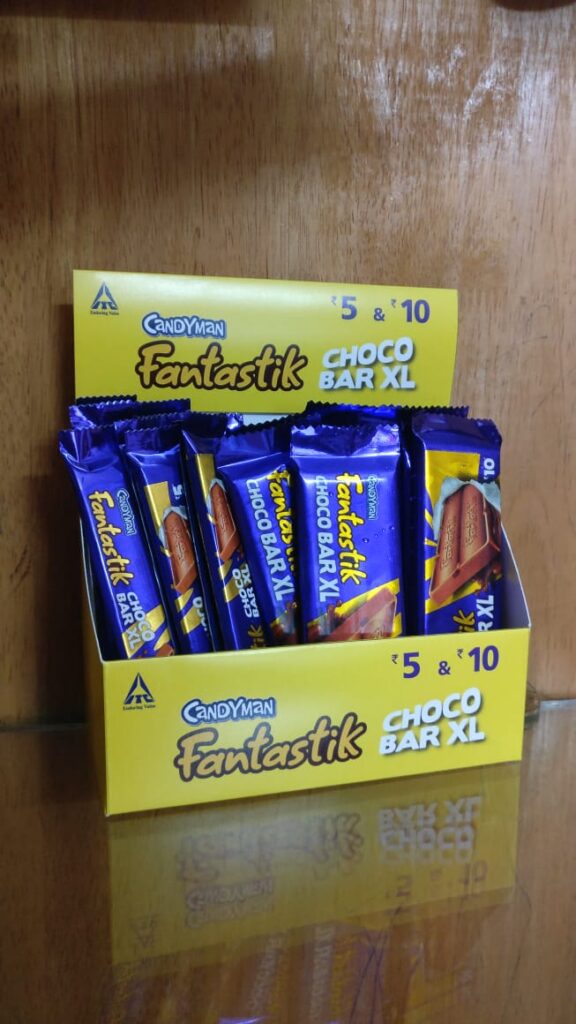
| Simple tray | Gum, mints, bars, small packs | Front lip height and pickup |
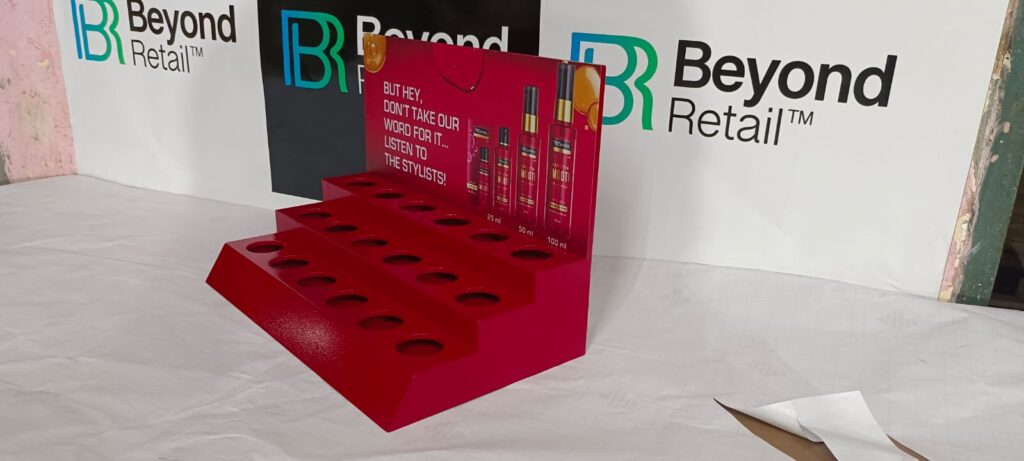
| Tiered or stepped | Cosmetics, supplements, boxed products | Load per step, back-row visibility |
| Divider tray | Multi-SKU products and pouches | Divider spacing and refill |
| Back-card display | Strong branding on lightweight products | Height limits at the counter |
| Dispenser box | Sachets, samples, single-use items | Opening size and product flow |
| Hook or peg unit | Blister-packed accessories | Hook strength, balance as stock sells |
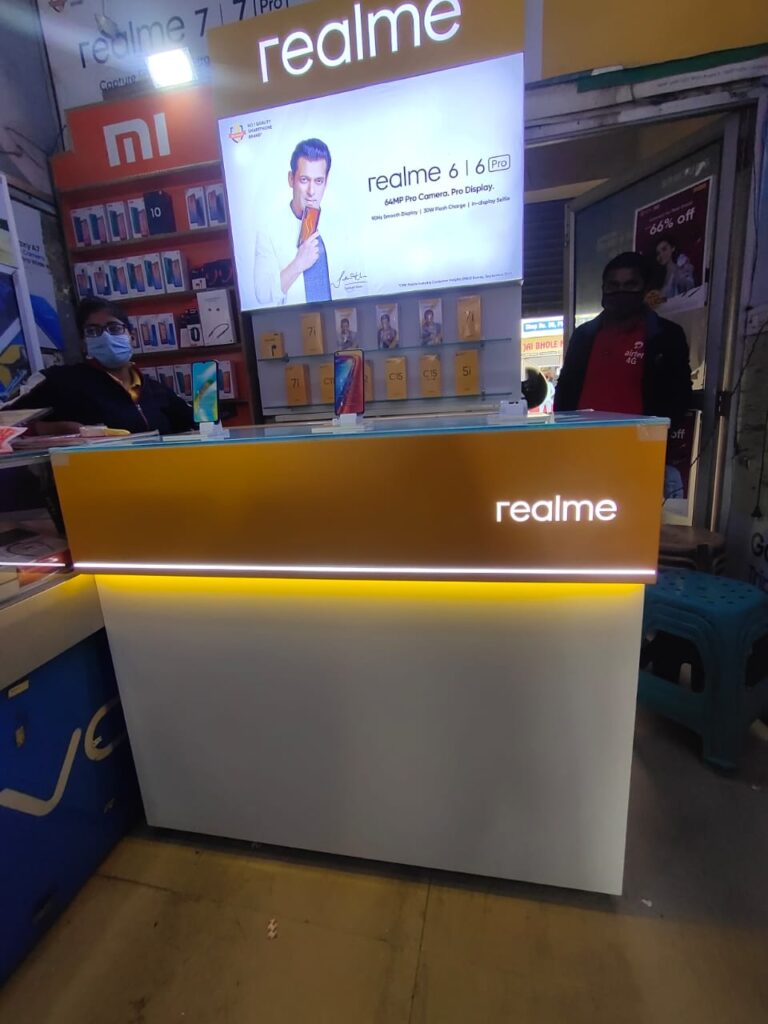
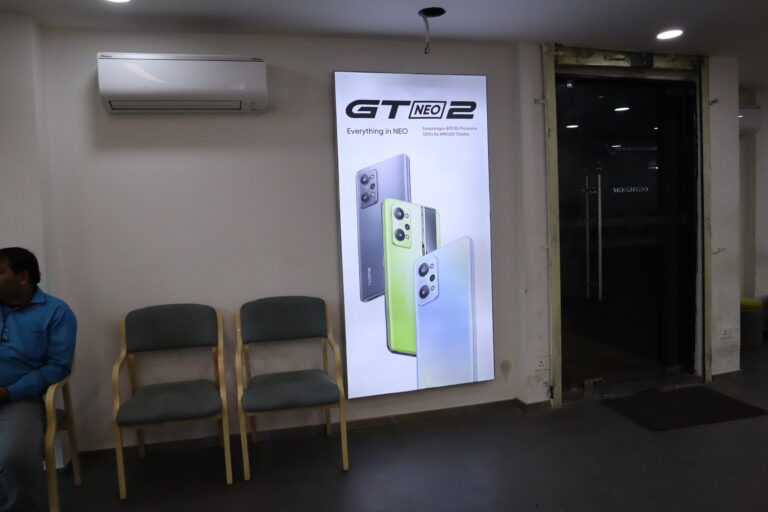
| Lit or illuminated unit | Premium products, electronics accessories | Power access, cable, heat |
Choose the material for the job
| Material | Best for | Trade-off |
|---|---|---|
| Corrugated cardboard | Short promotions, large runs, fast turnaround | Short life, weak in damp and rough handling |
| Acrylic | Premium products, electronics, beauty, lit units | Costs more, scratches |
| Metal | Long-life units, heavier products, anti-theft | Highest unit cost, longer lead time |
| Wood or MDF | Premium counters, branded gift or spirits displays | Heavier, needs good finishing |
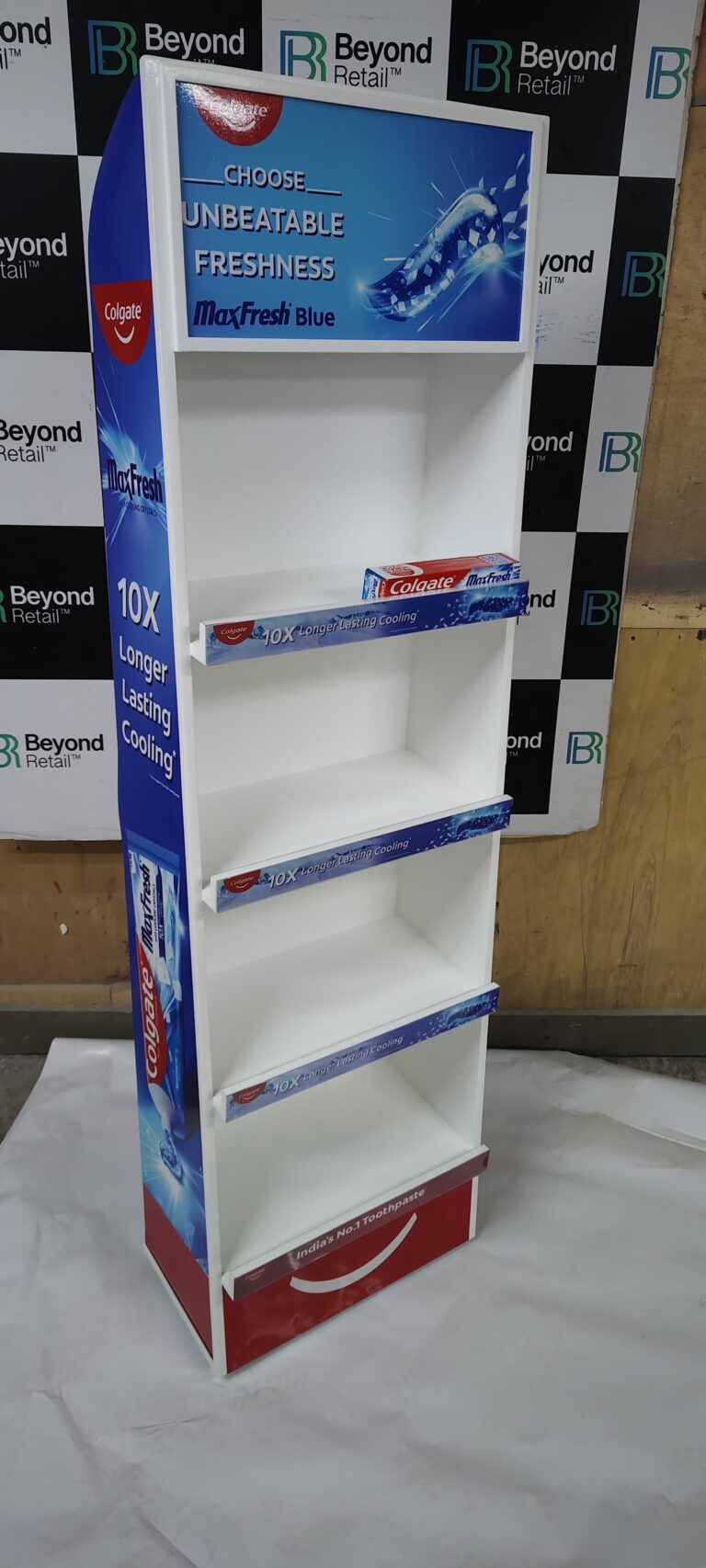
For the long-life trade-off see our guide to metal FSUs and cardboard POSM. Beyond Retail makes counter units in acrylic, metal and wood, with printing and lighting done in-house, as the POSM portfolio in its company profile shows.
Test it like a shopper
Ask for a sample and check it in four conditions, drawing on the testing steps used by counter display makers:
-
Full load: does anything bulge, sag or slide?
-
Half empty: do remaining products lean or become hard to see?
-
Near sold out: does it still look intentional?
-
Grab test: does removing one product disturb the others or wobble the unit?
-
Refill: can staff refill without rebuilding the layout?
Plan the artwork for close range
Counter units are seen from arm’s length. Print quality, SKU labels and colour accuracy show more than on a floor display. Keep one message, make SKU labels readable, and confirm the artwork against the final drawing so folds, slots and dividers do not cut text.
An RFQ checklist
-
Product photos, dimensions, weight and pack format.
-
SKU count and capacity per unit.
-
Counter type and the space available.
-
Material preference and the life in store.
-
Artwork files and finish.
-
Packing: flat-pack, assembled or pre-filled.
-
Quantity, stores, delivery cities and dates.
-
Sample requirement.
Frequently asked questions
What is a countertop display unit (CTU)?
A small display that sits on a counter to present products at the point of purchase, often for impulse items.
Which material is best for an FMCG counter display?
Cardboard suits short promotions and large runs. Acrylic and metal suit longer life, premium products and heavier loads.
How do I choose the size of a counter display?
Measure the usable counter space and any height limits, then fit the product count and SKU layout into it. Do not block billing, scanning or staff movement.
How should a counter display be tested?
Check it full, half empty and nearly empty, test product removal and refill, and review the artwork at arm’s length.
What do I need to send for a quote?
Product details and weight, SKU count, counter size, material, artwork, packing, quantity, delivery cities and dates.
Beyond Retail designs and makes counter units, floor units and illuminated POSM in-house in Delhi NCR, in acrylic, metal and wood. See point-of-sale materials. Send your product and counter details and we will recommend a structure, material and sample plan.